
Antique Furniture & Heirloom Restoration in Columbus, Cincinnati & Dayton
Heirlooms and antique furniture restored after fire, flood, moving damage, or years of neglect. Conservation-grade, insurance-backed, free written assessment.
- Conservation-grade techniques that preserve the original finish
- Insurance-approved with claims specialists on staff
- Tri-market coverage across Columbus, Cincinnati & Dayton
Conservation-Grade
Original finishes preserved wherever possible. Reversible repairs, period-appropriate materials, and stripping avoided unless the piece has no other path forward.
Insurance Claims Built In
Fire, water, smoke, storm, and moving damage handled end-to-end. The Columbus claims team coordinates directly with adjusters from intake through return.
Full-Piece Scope
Wood, veneer, inlay, upholstery, caning, and period hardware handled under one roof. One shop, one contact, one scope of work across the whole piece.
Columbus, Cincinnati & Dayton
One Prism team serving the full tri-city footprint. Workshop intake in Columbus, regional service across Cincinnati, Dayton, and beyond.
What Antique Furniture Restoration Actually Involves
An antique piece is not just wood and hardware. It carries the tool marks of the original maker, the joinery decisions that defined the era, a finish that took decades to cure into a patina, and usually a family story riding alongside all of it. A quick refinish strips most of that away in an afternoon and leaves behind a piece that looks newer and is worth less. The real work of furniture restoration is reading what the piece still holds and repairing around it, so the story in the grain survives the damage.
Conservation-grade restoration starts from that premise. Loose joints get re-glued with reversible adhesives rather than resorcinol-locked forever. Missing veneer gets matched to species and grain, not slapped on from the nearest sheet. Caning gets replaced using period patterns when the original has failed. Brass hardware gets cleaned and repaired before the default of swapping it out for a modern reproduction. At every step, the decision is whether the original can be preserved — and most of the time, with the right techniques, it can.
The workshop in Columbus handles the full scope: wood repair, veneer and inlay, upholstery and caning, hardware, and water or fire damage recovery. When the piece holds other categories inside it — framed art hung in the same room, paper documents stored in the drawers, textiles inside an upholstered lid — the broader art restoration assessment pulls the whole loss event under one plan instead of splitting it into separate, uncoordinated claims.
What people usually want to know first
Most calls about antique furniture start with three questions, and they are almost always the same three. Can the piece be saved. What is it going to cost. Will insurance pay for any of it. Everything else follows from those.
Can My Damaged Furniture Actually Be Saved?
Most pieces come back. Structural damage, loose joints, veneer loss, caning failure, finish damage, and most water or fire exposure are reversible with conservation-grade techniques. The real test is how much original material survives. A free written assessment answers the question before a dollar is committed, and most people hear better news than they expected.
How Much Does Furniture Restoration Cost?
Cost tracks with the piece, the damage, and the scope of the work. A single chair with a loose joint lives in a different range from a water-damaged estate. Every project starts with a free written assessment and a written quote, so the numbers are clear before the workshop schedules the work.
Does Insurance Cover This?
Usually yes, when a covered event caused the damage. Fire, water, smoke, storm, and moving or transport loss are typically covered under homeowner, renter, or mover liability policies. The Columbus claims team documents the damage, coordinates directly with the adjuster, and routes the restoration through the policy so the loss is handled in one scope.
Antique Furniture & Heirloom Restoration Specialties
Antique Wood Furniture Restoration
Original finishes preserved, not stripped.
Structural damage, loose joints, split panels, and years of neglect reversed using reversible adhesives, period-appropriate fill materials, and finish work that keeps the original patina intact. Stripping is the last resort, used only when there is nothing else to save.
Veneer & Inlay Repair
Matched to the era, matched to the grain.
Missing veneer, lifted marquetry, and failed inlay repaired with species-matched replacement material and period-accurate adhesives. Grain direction, figure, and color matched so the repair disappears into the piece instead of announcing itself.
Upholstery & Caning Restoration
Period-accurate, to the standard the original maker intended.
Failed caning re-woven in the original pattern, upholstery redone in period-appropriate fabrics or customer-specified modern alternatives, horsehair and cotton padding rebuilt under the surface, and webbing replaced where the frame still holds. The chair goes back to service-ready condition.
Water & Fire Damage Furniture Restoration
Mold sets in within 48 hours. Emergency response available.
Emergency stabilization for water, flood, fire, and smoke damage with full insurance claim coordination. Fast drying to prevent mold, finish stripping only where smoke residue will not release otherwise, and structural repair where the joints have failed from moisture. The Columbus team mobilizes quickly across the tri-market.
Hardware & Metalwork Restoration
Period brass, iron, and decorative hardware brought back to spec.
Original hardware cleaned, repaired, and when necessary, reproduced to era-matched specifications. Brass pulls re-plated, iron hardware rust-treated and stabilized, locks reworked, and missing pieces cast from surviving examples. Saved hardware holds value that replacement cannot.
Heirloom & Estate Preservation
Multi-piece collections under one claim, one team, one contact.
Inherited collections, estate sales, and multi-piece loss events scoped together so the work is coordinated instead of fragmented. One contact point, one project manager, and one written scope covering every piece in the collection. When the art in the house also needs work, the shared art restoration process pulls it under the same plan.
A rare piece, a water-damaged estate, or something you cannot find answers on? Call (614) 866-4484 and the Columbus team will walk through what the restoration actually involves before anything gets scheduled.
What a good furniture restoration looks like
A baby grand came into the workshop with a failing finish, worn surfaces, and interior work due. It left as a fully restored piano with the original character intact and the finish rebuilt on the original wood.
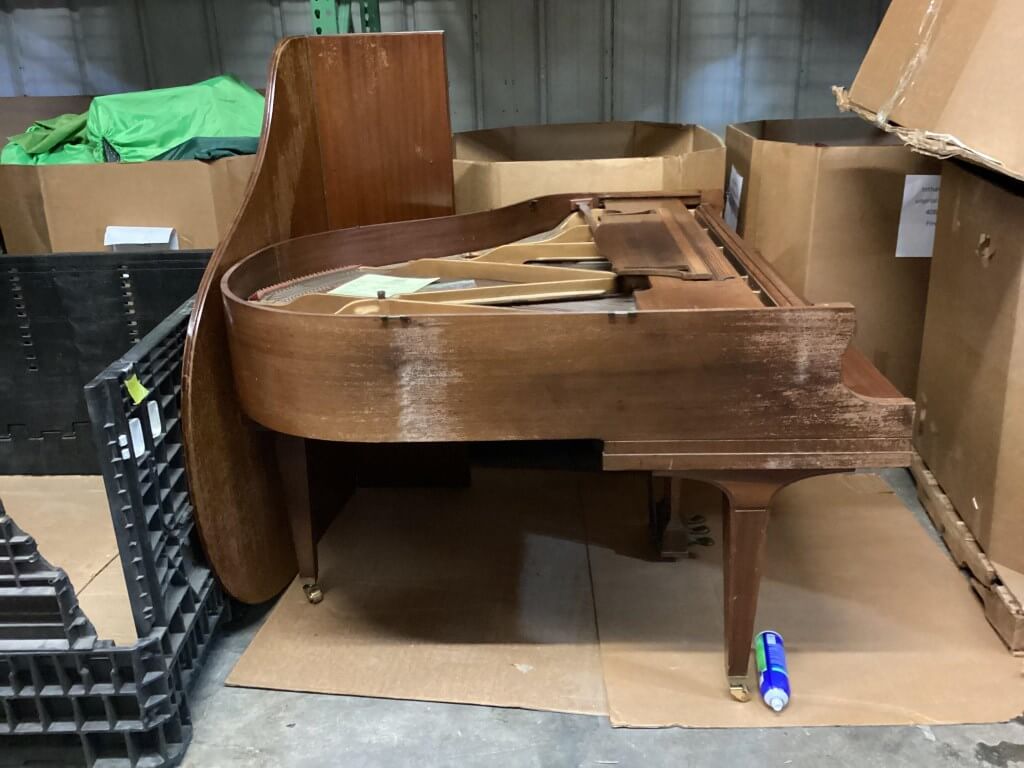
Full finish rebuild on original wood, interior and action work addressed, and exterior surfaces restored to furniture-grade depth. A piano that reads as the original instrument, not a refinished substitute for it. Every step documented for the file.
Original wood preserved
Refinish work done on the original surfaces rather than swapping panels. The maker's wood stays in the piece and the patina depth comes back through craft, not shortcut.
Interior and finish together
Structural and interior work handled alongside the cosmetic finish so the piano returns to both performance and display condition, not one or the other.
Reversible techniques
Adhesives, fillers, and finishes used in the repair can be removed by a future conservator without harm to the original material. Today's work does not close doors on tomorrow's conservation.
Restored: Real Furniture & Heirloom Projects from Columbus, Cincinnati & Dayton
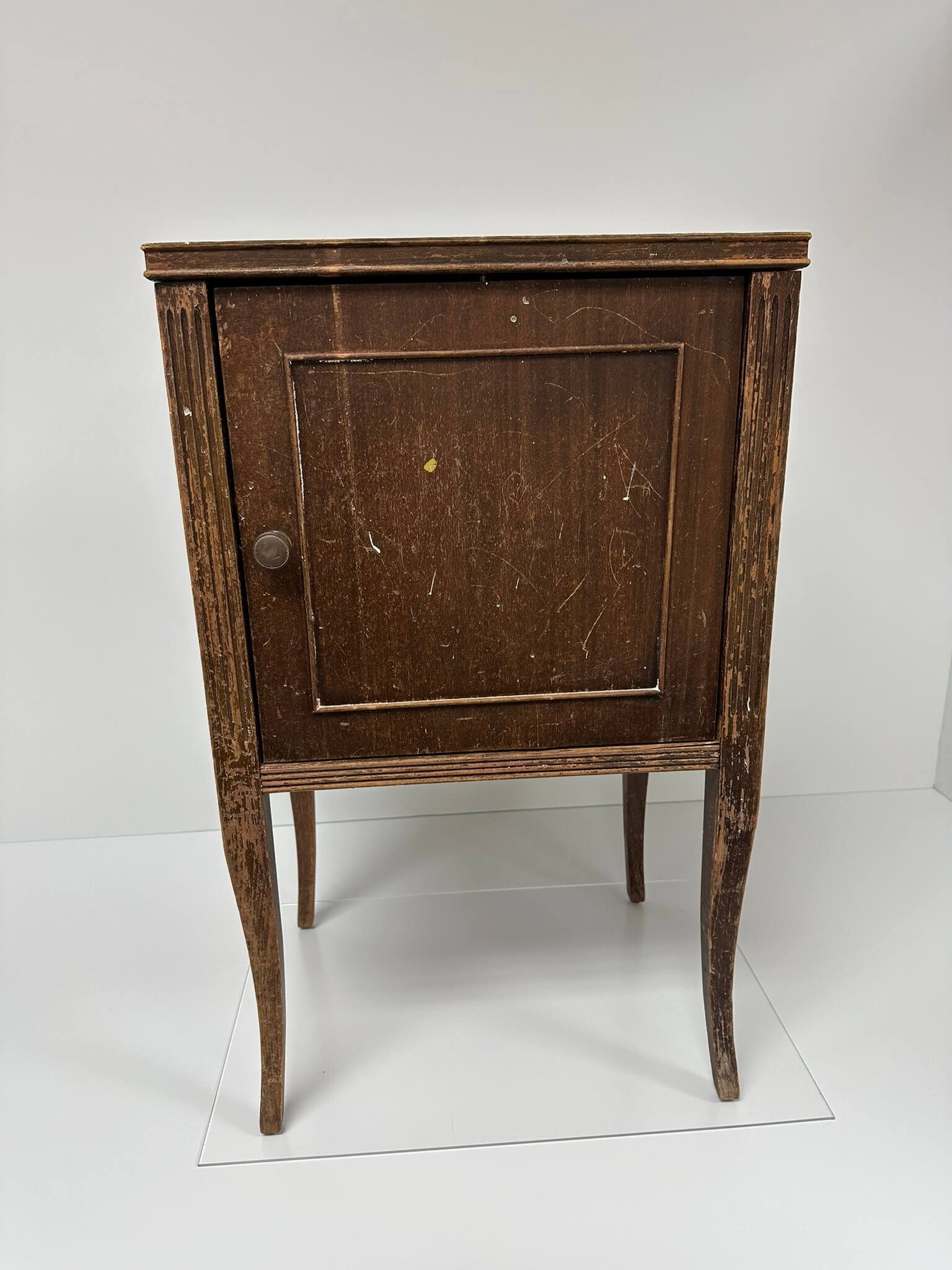
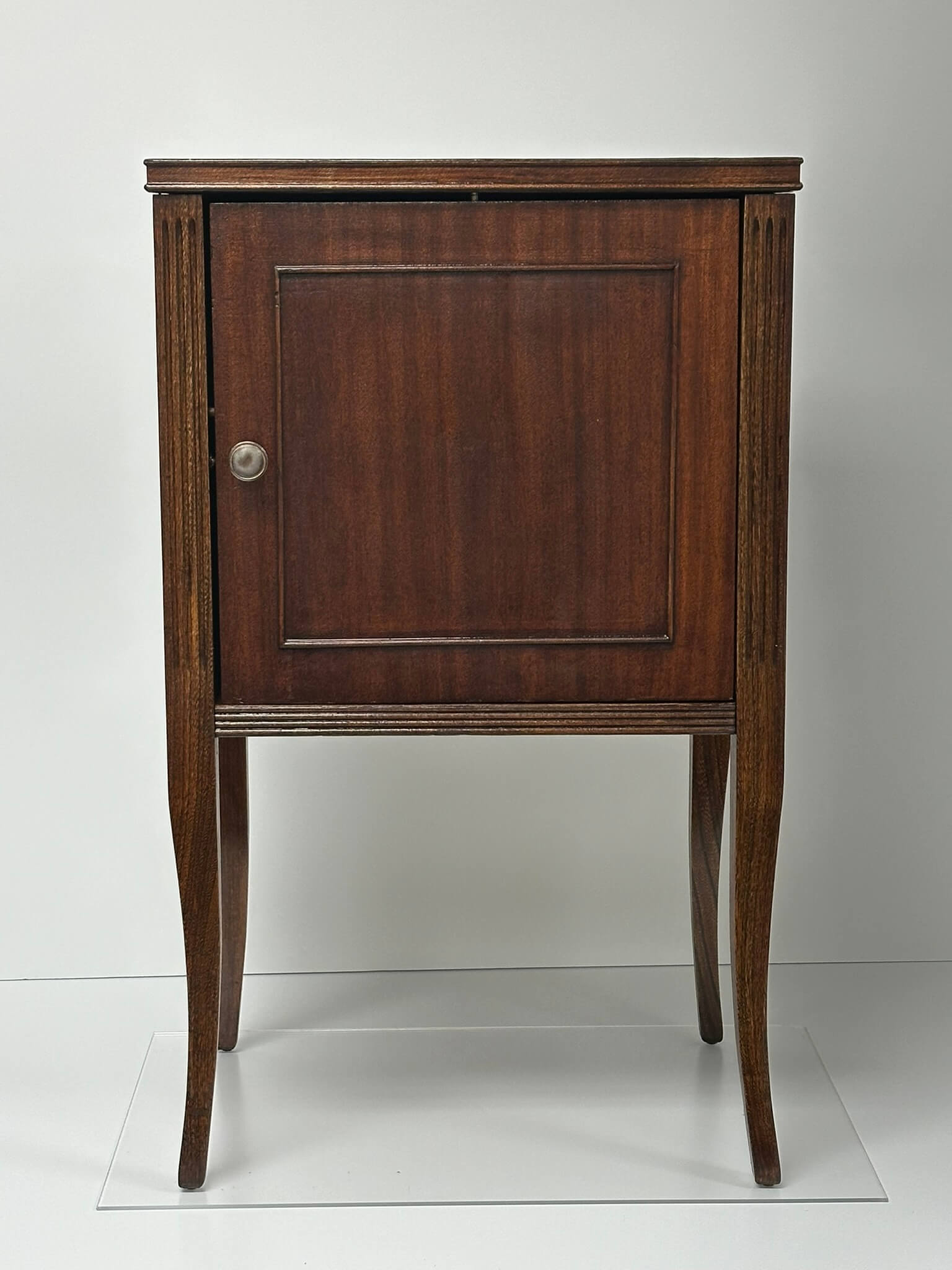
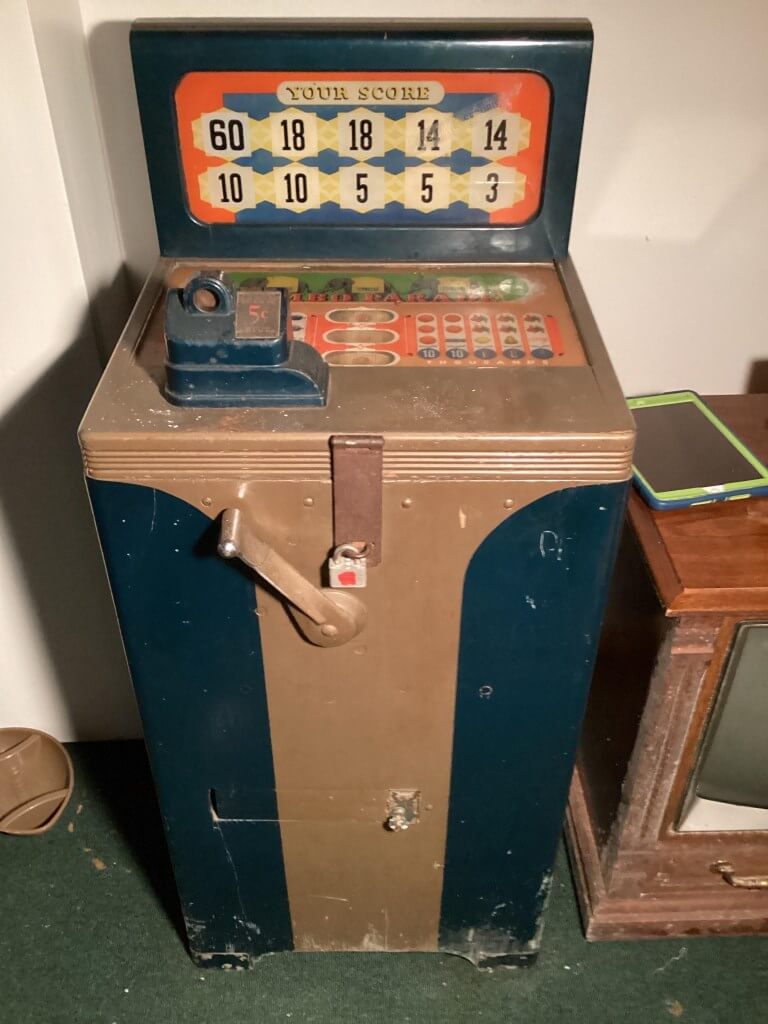
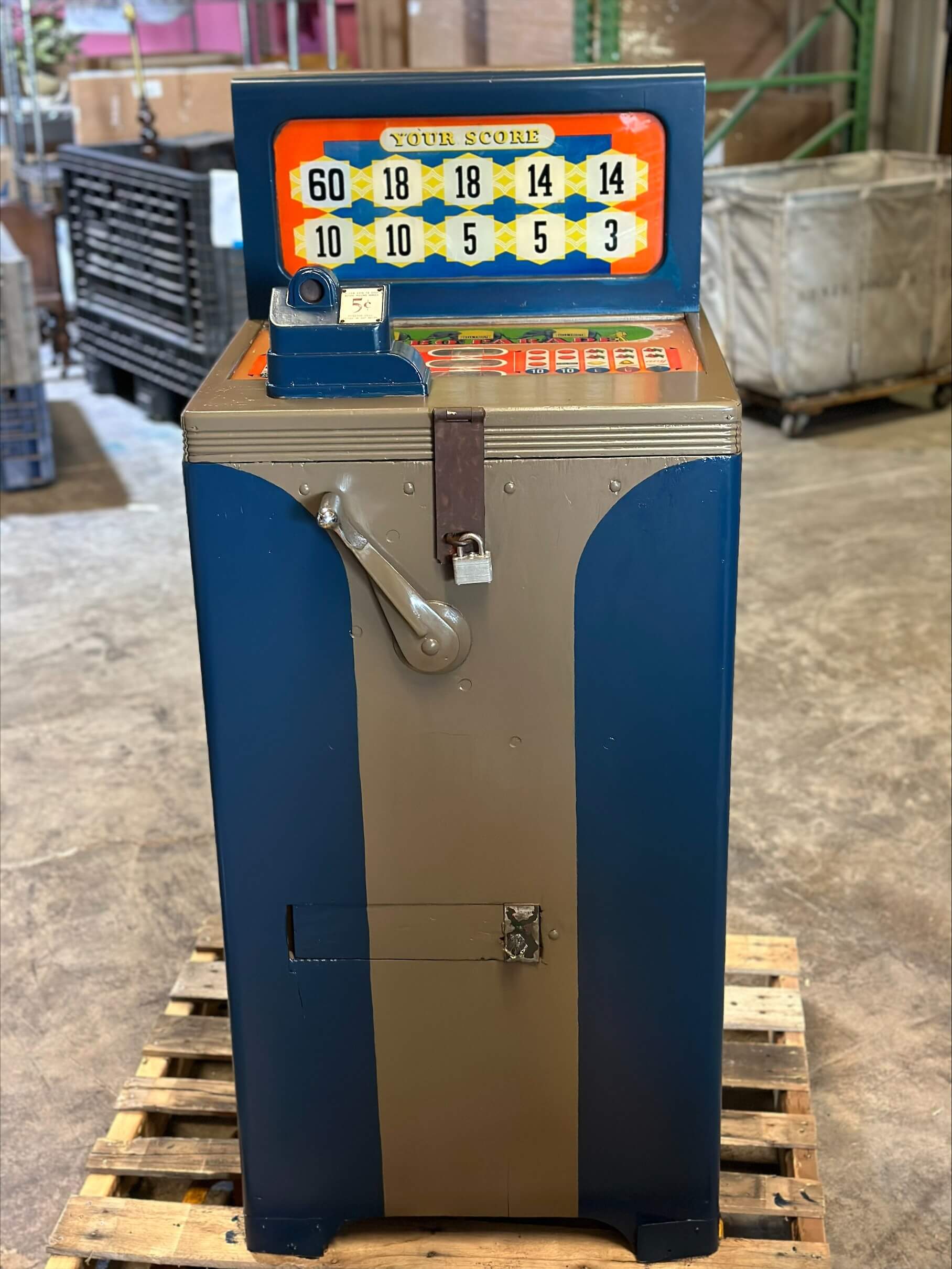
Two pieces routed through the Columbus workshop in the last cycle. Different eras, different damage profiles, same conservation-grade approach: preserve what is original, repair what has failed, and document the work from intake through return.
Antique Wooden Cabinet
Vintage Arcade Game Machine
How Insurance Claim Restoration Works for Furniture & Heirlooms
Every claim file runs through the same four-step workflow. The Columbus team walks through each step with the owner and the adjuster before anything billable starts.
Document
Initial photographic assessment and condition cataloguing at intake. Every piece in scope gets a record — damage location, extent, and baseline condition — so the claim file has documentation the adjuster can actually use.
Assess
A certified conservator evaluates the piece and writes the scope of work: what is reversible, what is not, what materials match the period, and what the realistic timeline is. The written quote goes to the owner and the adjuster before anything is approved.
Restore
Structural repair, veneer and inlay work, upholstery and caning, hardware, and finish work completed to conservation-grade standards. The workshop holds climate control and period materials on site so the repair happens in one place under one lead conservator.
Return & Documentation
Final inspection, packaged transport, and return delivery with comprehensive before-and-after records for the owner and the claim file. Preservation guidance travels with the piece so the restoration holds for the next generation.
Why Columbus, Cincinnati & Dayton Trust Prism for Furniture Restoration
Insurance Claims Built In
Fire, water, smoke, storm, and moving damage handled end-to-end. The Columbus claims team documents the piece, coordinates with adjusters, and routes the scope through the policy so the claim moves on the owner's timeline, not the insurer's.
Period-Specific Expertise
Victorian, Colonial, Federal, Empire, Mission, Arts and Crafts, and Mid-Century pieces each carry their own materials, joinery, and finish standards. The workshop holds period-matched stock and the conservators know which approach belongs on which era.
Fully Reversible Techniques
Repairs use reversible adhesives, period-appropriate fillers, and finish systems that a future conservator can remove without harm to the original material. The piece keeps its full conservation value going forward.
Tri-Market Coverage, Local Workshop
Columbus workshop intake with regional service across Cincinnati, Dayton, Southern Ohio, Northern Kentucky, and West Virginia. One facility, three markets, and the full national Prism franchise network behind every restoration.
Furniture & Heirlooms We've Restored Across the Tri-Market Area
Columbus Area
Central Ohio including Franklin, Delaware, and Licking counties. Workshop intake at 171 Schofield Drive. Local pickup and delivery available for oversized pieces, estate collections, and pianos that cannot be moved by the owner.
Cincinnati Area
Southwestern Ohio and Northern Kentucky. Professional packaging and secure transport for fragile antique furniture, with the same conservators and the same workshop handling the restoration as a Columbus intake.
Dayton Area
Miami Valley including Montgomery, Greene, and Clark counties. Full furniture restoration, heirloom preservation, and insurance claim coordination routed through the Columbus workshop.
Other pieces in the collection damaged by the same event? Scope everything together through the broader art restoration assessment so furniture, framed art, paper, and textiles all move on one plan and one claim.
Antique Furniture & Heirloom Restoration FAQ — Columbus, Cincinnati & Dayton
Can my damaged antique furniture actually be saved?
Most pieces come back. Structural damage, loose joints, veneer loss, caning failure, finish damage, and most water and fire exposure are reversible with the right techniques. The honest test is whether enough original material remains for conservation-grade repair to hold. A free written assessment answers that question before any work gets committed. Call (614) 866-4484 to book the assessment.
How much does antique furniture restoration cost?
Cost tracks with the piece, the damage, and the scope. A single chair with a loose joint lands in a different range from a full estate of flood-damaged furniture. Every project starts with a free written assessment so the numbers are clear before anything is scheduled. Call (614) 866-4484 for the walk-through.
Does homeowner insurance cover antique furniture restoration?
When a covered event caused the damage — fire, water, smoke, storm, moving or transport loss — homeowner or renter insurance typically covers restoration. The Columbus claims team documents the damage, coordinates with your adjuster, and builds the scope to match what the policy will approve. Call (614) 866-4484 to start the claim.
What is the difference between restoration and refinishing?
Refinishing strips the original finish off and replaces it. Restoration preserves the original wherever possible and repairs the damage with reversible, period-appropriate techniques. Stripping a patina that took eighty years to develop usually destroys the value of the piece. Most antiques deserve the restoration approach, not the refinishing shortcut. Call (614) 866-4484 to talk through the piece.
How long does antique furniture restoration take?
Simple repairs often finish in two to four weeks. Larger projects involving veneer replacement, structural rebuilding, caning, or multi-piece estate work run four to twelve weeks depending on scope and material availability. The written assessment includes a firm timeline before the workshop starts. Call (614) 866-4484 to get the project scoped.
What types of furniture do you restore?
Antique and vintage furniture across every era — Victorian, Colonial, Federal, Empire, Mission, Arts and Crafts, Mid-Century Modern, and older one-off pieces. Pianos, cabinets, armoires, chests, tables, chairs, sideboards, desks, vintage arcade and game machines, and estate collections routed through one claim. If the piece has value or history, it gets assessed. Call (614) 866-4484 to describe the piece.
Will restoration reduce the value of an antique?
Poor restoration reduces value. Conservation-grade restoration preserves or restores it. Reversible techniques, period-appropriate materials, and respect for the original finish are what separate a proper restoration from a piece that has been stripped and refinished into something generic. The approach used on this workshop is the conservation standard, documented for the file. Call (614) 866-4484 to review the methodology.
Can you restore furniture damaged during a move?
Yes. Transport damage is one of the most common intake types — broken legs, cracked tops, gouged veneer, loosened joints, and finish scrapes from strapping. Moving claims often run through the mover's liability policy rather than homeowner insurance. The Columbus team works with either, and documents the damage from intake through return. Call (614) 866-4484 to start the scope.
Do you work on-site or is everything done in the workshop?
Both. Smaller pieces and most heirlooms come into the Columbus workshop where the tools, finishes, and climate control live. Oversized pieces, built-ins, and fragile one-offs get on-site stabilization, transport handling, and occasionally on-site work when the piece cannot be moved safely. Call (614) 866-4484 to describe the piece and location.
What should I do if my antique furniture just got water-damaged?
Move the piece out of standing water, get air flowing around it, and do not try to speed-dry with heat or fans pointed straight at the wood. Mold sets in within forty-eight hours of exposure, so speed matters. Call (614) 866-4484 same-day for emergency water damage guidance and claim routing. The Columbus team can mobilize quickly across the tri-market.
Most Damaged Furniture Can Come Back. Free Assessments Across Columbus & Beyond.
Bring the piece into the Columbus workshop for a free written assessment before the insurance clock runs or the damage sets in any further. Every project starts with a certified conservator, a clear scope, and a written timeline. Most of the time the heirloom goes back to the family in better shape than the day the damage happened.