Custom Framing
Returning Restored Artwork in Presentation-Ready Condition
What Is Custom Framing in Specialty Contents Restoration?
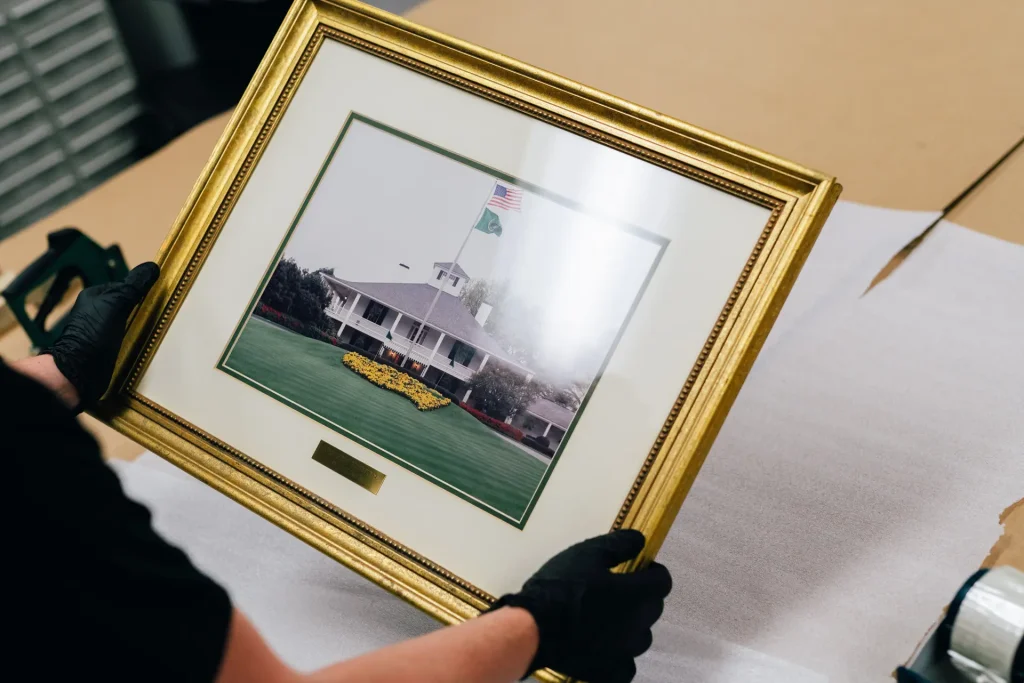
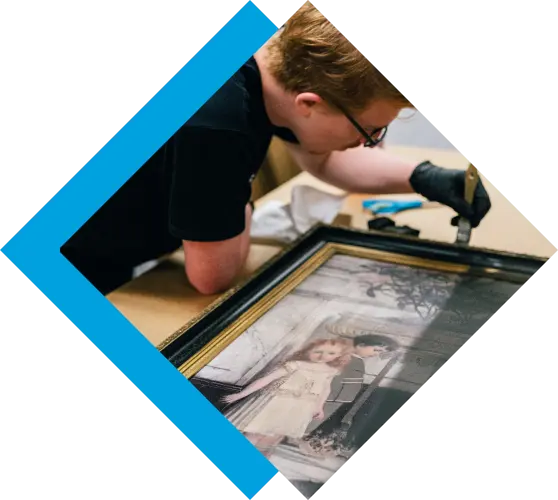
Custom framing is the final step in artwork restoration, returning a restored painting, photograph, print, or collectible piece in a new or matched frame using conservation-grade materials designed to protect the work long-term. Unlike standard framing services, Prism’s custom framing process is documented as part of the insurance claim and restoration record, ensuring the artwork is returned in presentation-ready condition with supporting documentation for adjusters and property owners.
Custom framing services are typically required following fire and smoke or water events where original frames have been destroyed, warped, contaminated, or otherwise deemed unsuitable for reuse.
How Prism's Custom Framing Process Works
Prism’s custom framing process follows a structured sequence designed to protect restored artwork, document restoration decisions, and ensure every piece is returned in a condition appropriate for long-term display and preservation.
Conservation-Grade Material Selection
Prism uses archival-quality materials selected to help preserve the artwork after restoration. These materials may include acid-free matting, UV-protective glazing, and archival backing components that reduce the risk of future environmental damage while supporting the long-term stability of the piece.
Frame Matching or Replacement
When the original frame can be successfully restored, Prism incorporates it into the final presentation. If replacement is necessary, specialists select a frame that closely matches the original style, period, dimensions, and aesthetic characteristics. The condition of the original frame and the rationale for restoration or replacement are documented as part of the project record.
Claim Documentation for Framing Costs
Custom framing performed within a restoration engagement is fully documented for insurance purposes. Materials, labor, and the justification for replacement versus restoration are included in the reporting package, providing adjusters with a clear record supporting the final restoration scope and costs.
Return in Presentation-Ready Condition
Once framing is complete, artwork is carefully packaged and protected for transport and return. Final condition documentation confirms the state of the artwork and frame at the time of delivery, creating a complete record from loss through restoration and return
Why Custom Framing Matters for Insurance Claims
Artwork returned without appropriate framing is incomplete restoration. In many cases, the frame is not simply decorative; it provides protection, structural support, and helps preserve the artwork’s condition over time.
For insurance claims involving fine art, collectibles, and framed works, custom framing is part of restoring the item to its pre-loss condition rather than an optional finishing detail. Prism’s documentation of framing materials, labor, and restoration decisions gives adjusters a complete and defensible record of the total restoration investment associated with each piece
Custom framing is part of Prism’s complete art restoration process:
Frequently Asked Questions
Prism evaluates the condition of each frame individually. When restoration is feasible and appropriate, the original frame may be restored and reused. If the frame is structurally compromised, contaminated, or beyond restoration, a replacement frame may be selected to closely match the original appearance and style.
Learn More About How We Work
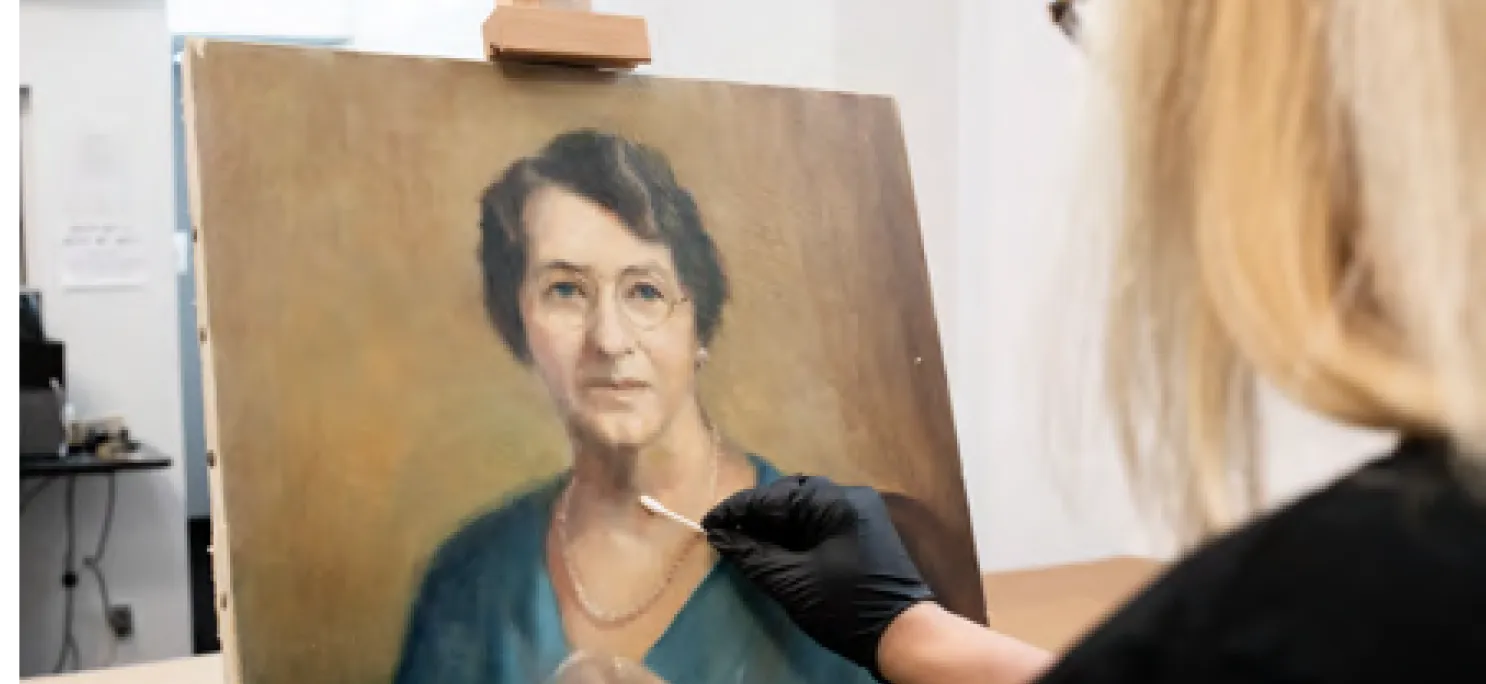
Custom framing is part of Prism’s complete art restoration process. See how the full workflow supports claim documentation from intake through return.