Fire and Smoke Damage
Specialty Contents Restoration, Cleaning, and Recovery After a Fire Loss
How Fire and Smoke Damage Affects Specialty Contents
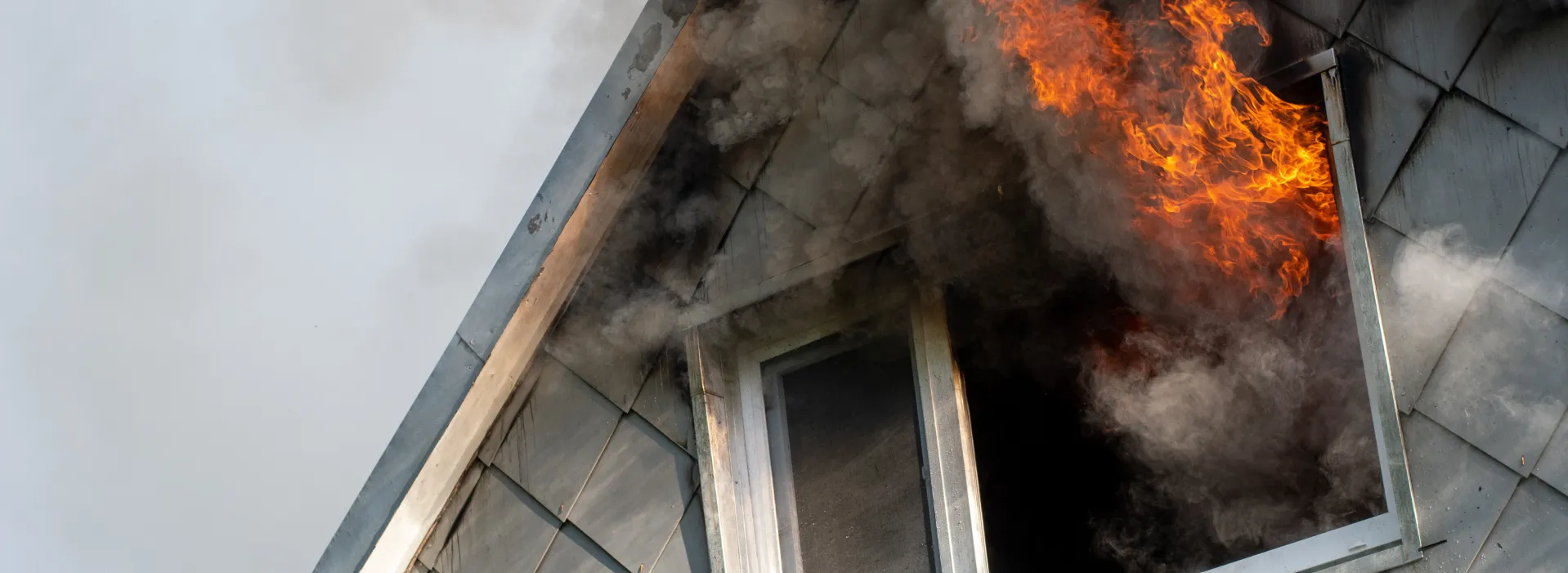
Fire and smoke damage affects specialty contents through heat exposure, soot contamination, acidic residue, and chemical off-gassing. Damage often continues after the fire is extinguished, especially across electronics, porous materials, and commercial equipment. Early intervention and category-specific restoration protocols are critical to reducing permanent loss, downtime, and unnecessary replacement costs.
Commercial Equipment & Large-loss Contents
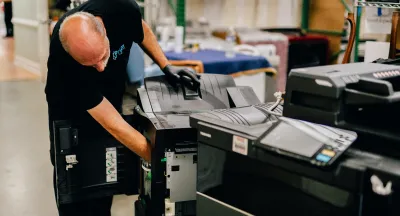
Fire and smoke damage can impact manufacturing equipment, medical devices, office electronics, machinery, and high-volume commercial contents simultaneously. Commercial contents restoration requires coordinated inventory, item-level evaluation, decontamination, and reporting processes to support business continuity and defensible replacement decisions.
Electronics & Appliances
Smoke particles and acidic gases penetrate internal components, accelerating corrosion long after the event. Restoration requires controlled decontamination, drying, and diagnostic testing to evaluate functionality, recover equipment, and prevent ongoing damage.
Art & Collectibles Restoration
Soot and smoke residue settle on surfaces, under glass, and into porous materials, causing discoloration and long-term degradation. Cleaning, stabilization, and controlled restoration techniques are required to preserve integrity and prevent further deterioration.
Textiles and Soft Goods
Fabrics absorb smoke odor and chemical residue at a molecular level, making standard cleaning methods ineffective. Specialty textile restoration, deodorization, and contamination removal are required to restore usability and reduce permanent odor retention.
Documents & Paper Records
Paper materials absorb soot and airborne contaminants, leading to staining, odor, and structural weakening. Stabilization and controlled cleaning are required before digitization, storage, or long-term preservation can begin.
How Prism Responds to Fire and Smoke Losses
Prism’s response to fire and smoke losses follows a documented specialty contents restoration process, beginning with on-site assessment and inventory before any items are moved.

Immediate Assessment and Documentation
Prism specialists conduct a full on-site evaluation and produce a photo-documented inventory of all affected contents. This establishes the baseline condition record required for the insurance claim.

Division-specific Restoration
Contents are assigned by category, electronics, art, textiles, documents, and commercial equipment, so each item is handled using the correct restoration protocol. A single loss is managed across multiple divisions through one coordinated workflow.
Restorability Determination
Each item receives a written restorability assessment. Items that cannot be restored are documented with condition reporting and supporting adjuster review before replacement decisions are made.
Specialty Restoration Services for Fire and Smoke Losses
Fire and smoke losses typically impact multiple categories of contents at once. Prism coordinates across the following specialty restoration divisions — not all are available at every location. Submit a claim and Prism will route it to the appropriate specialist based on loss location and service availability.
Coordinate Commercial Fire Losses
Coordinated, multi-division response for large-scale commercial fire losses with structured reporting and turnaround timelines.
Revive Clothing and Soft Goods
Industrial deodorization and specialty cleaning for clothing, linens, leather, and soft goods.
Preserve Art and Collectibles
Conservation assessment, soot removal, and stabilization for paintings, sculptures, and high-value items.
Recover Electronics After Fire
Decontamination, corrosion control, and functional testing for electronics affected by smoke and heat exposure.
Rescue Records and Documents
Cleaning, stabilization, and digitization of paper records impacted by soot and smoke contamination.
Frequently Asked Questions
Specialty contents restoration after fire and smoke damage is the category-specific process of recovering commercial equipment, textiles, artwork, electronics, and documents affected by heat, soot, acidic residue, and chemical off-gassing. Unlike structural restoration, specialty contents restoration focuses on individual item evaluation, decontamination, and documented restorability assessments to determine what can be recovered and what requires replacement.