Specialty Contents Restoration by Type of Damage
Different damage events impact contents in different ways, and the restoration approach starts with understanding how that damage affects each material and category. Fire and smoke introduce corrosive residues and odor contamination. Water causes saturation, swelling, and microbial risk. Vandalism results in contamination or physical damage. Lightning strikes create internal electrical failures that often require diagnostic validation before they’re even visible.
Prism’s specialty contents restoration process is built to address these conditions at the item level. Select a damage type below to see how Prism evaluates, documents, and restores contents for that specific loss event, and which specialty divisions are involved.

Restoration Services by Damage Type
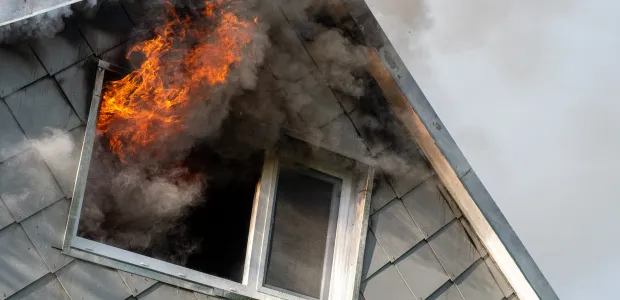
Fire & Smoke Damage
Fire and smoke damage impacts nearly all categories of contents, leaving behind soot, acidic residue, and embedded odor. Electronics require internal cleaning and testing, textiles retain smoke contamination, artwork can discolor or warp, and documents become fragile and stained.
Prism coordinates restoration across electronics, art, textiles, and document divisions, with documentation and restorability assessments aligned to insurance claim requirements.
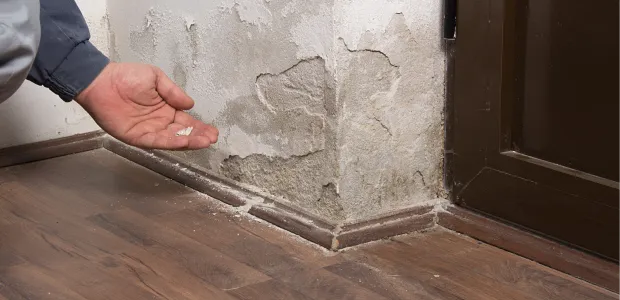
Water Damage
Water damage affects materials at different rates, making response time critical. Electronics begin corroding, documents absorb moisture and degrade, textiles stain and shrink, and artwork can distort or delaminate if not stabilized.
Prism’s water-related contents restoration is structured around rapid inventory, controlled drying, and division-specific treatment protocols to preserve as many items as possible.

Vandalism
Vandalism introduces both contamination and physical damage: paint, chemicals, forced breakage, and deliberate defacement of contents. Each item requires individual evaluation to determine whether restoration is viable or replacement is necessary.
Prism documents conditions at the item level before any work begins, providing adjusters with a clear record to support restorability decisions and claim documentation.
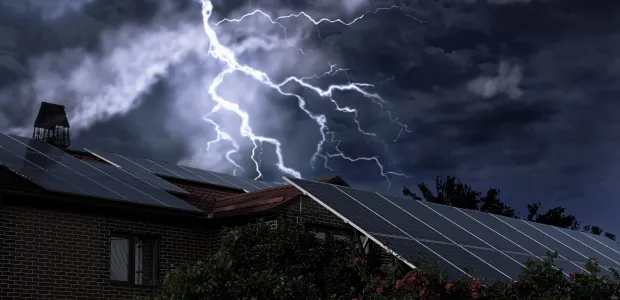
Lightning Strike Damage
Lightning strikes create power surge damage that often leaves no visible external signs. Internal components, circuit boards, storage media, and connected systems—can fail without obvious physical indicators.
Prism’s lightning strike validation process uses diagnostic testing and reporting to confirm damage, supporting adjusters with documentation required for claim verification and settlement.
How Damage Type Connects to Specialty Restoration
Damage type defines the conditions. Restoration is defined by what was affected.
A single loss event often affects multiple content categories at once. Prism coordinates across all six specialty divisions, select the relevant service below or submit a claim and Prism will route it to the right team based on loss location and service availability. Not all locations offer every division.