
Custom Framing in Columbus, Cincinnati & Dayton
Conservation-grade framing built by restoration specialists. Archival matting, UV-protective glazing, shadow boxes, canvas stretching, and period frame repair across the tri-market.
- Archival materials standard, not an upcharge
- Restoration specialists behind every frame built
- Tri-market coverage across Columbus, Cincinnati & Dayton
Archival Materials
Acid-free matting, UV-protective glazing, and reversible mounting built into every frame. Conservation-grade is the baseline, not the premium tier.
Restoration-Grade
Built by the same team that restores fire- and water-damaged art. Framing decisions come from three decades of preservation experience, not a moulding catalog.
Frame Repair Included
Cracked joints, broken ornaments, lost gilding, and structurally compromised period frames restored alongside new framing work. One shop, both sides of the job.
Columbus, Cincinnati & Dayton
One Prism team serving the full tri-city footprint. Walk-in consultations in Columbus, regional service across Cincinnati, Dayton, and beyond.
What Conservation-Grade Custom Framing Actually Involves
Most frame shops sell moulding and glass. The decisions that actually protect a piece, archival backing, the right rag mat, the glazing that blocks UV, a reversible mount that does not glue the artwork to its grave, get treated as upgrades rather than defaults. Bring in a piece that already survived fire, water, or decades in the wrong room and the conventional retail approach starts to look like a slow continuation of the damage. Frame damage is part of the damage, and most frames come back when the same conservators who restore the art build the replacement.
Conservation framing is a different standard. Acid-free matting that will not yellow into the paper over the next ten years. UV-protective glazing that blocks the light wavelengths responsible for fading. Archival mounting methods that a future conservator can reverse without harm to the piece. Sealed backing that keeps dust, pollutants, and humidity swings out of the sandwich. Every choice at every layer is made for the preservation of the artwork first, and the aesthetic of the frame second. The two are not in conflict.
The work extends to the frame itself. A period gilded frame with cracked corner joints, missing ornaments, and worn gilding is not disposable. Antique frames get rejoined, recarved or cast, regilded, and stabilized using period-appropriate techniques. When an event damages both the art and the frame, a single scope covers both through the painting and frame restoration workflow, alongside works on paper, sports memorabilia, and everything else routed through the central art restoration hub.
What people usually want to know first
Most of the questions that come in at the start of a framing job reduce to the same three concerns: whether conservation framing is actually different from what a big-box shop sells, whether a damaged frame has to be replaced or can be repaired, and how long the whole process takes from drop-off to pickup.
What Makes Conservation Framing Different?
The materials in the frame touch the piece for the next several decades. Acid-free rag mats, UV-protective glazing, archival mounting, and sealed backing keep light, humidity, dust, and contact chemistry away from the artwork. Retail framing often skips those layers or charges separately for each one. At conservation grade, every layer is part of the default build.
Does the Original Frame Have to Go?
Usually not. Period frames with cracked joints, broken ornaments, lost gilding, or structural damage are almost always worth repairing. The original frame carries history and context that a replacement cannot, and restoration is frequently less expensive than a matched replacement. A full assessment tells you what each path actually costs before any work begins.
How Long From Drop-Off to Pickup?
Standard projects land in the 2-to-4 week range. Shadow boxes, oversized pieces, and jobs that include frame repair or art restoration before framing take longer. A firm timeline is written into the consultation so the schedule is clear before the shop starts work, and the Columbus team will flag any supply-chain issues on specific mouldings at the outset.
Custom Framing & Conservation Services
Conservation Framing
The frame protects the art. Build it to museum standards.
Acid-free matting, UV-protective glazing, archival mounting, and reversible techniques that preserve original artwork, photographs, and documents for generations. Every material meets conservation-grade specifications used by galleries and museums across the tri-market.
Shadow Box Framing
Three-dimensional pieces need three-dimensional framing.
Custom-depth shadow boxes for medals, keepsakes, memorabilia, textiles, and dimensional objects. Internal supports, fabric-wrapped mounts, and archival spacing engineered to protect the item while producing a clean display.
Jersey & Memorabilia Framing
A signed jersey in a drawer is worth nothing. On the wall, it tells a story.
Professional mounting, UV-protective glazing, and custom shadow box construction for sports jerseys, signed memorabilia, game-used equipment, and collectible displays. Archival mounts prevent yellowing, fading, and fabric degradation. Jerseys, cards, and trophy displays →
Diploma & Certificate Framing
You earned it. It deserves better than a clip frame from a box store.
Acid-free matting, UV-glazing, and professional mounting for diplomas, professional certifications, licenses, and awards. Institutional colors matched, custom matting layers added, and frames built to reflect the achievement they hold.
Canvas Stretching & Mounting
A canvas off its stretcher bars is a painting at risk.
Professional stretching on custom-built stretcher bars, gallery wrapping, float mounting for unstretched canvases, and re-stretching of loose or damaged pieces. The Columbus facility handles work from small prints to oversized original paintings.
Frame Repair & Restoration
The original frame is part of the history. Keep it intact.
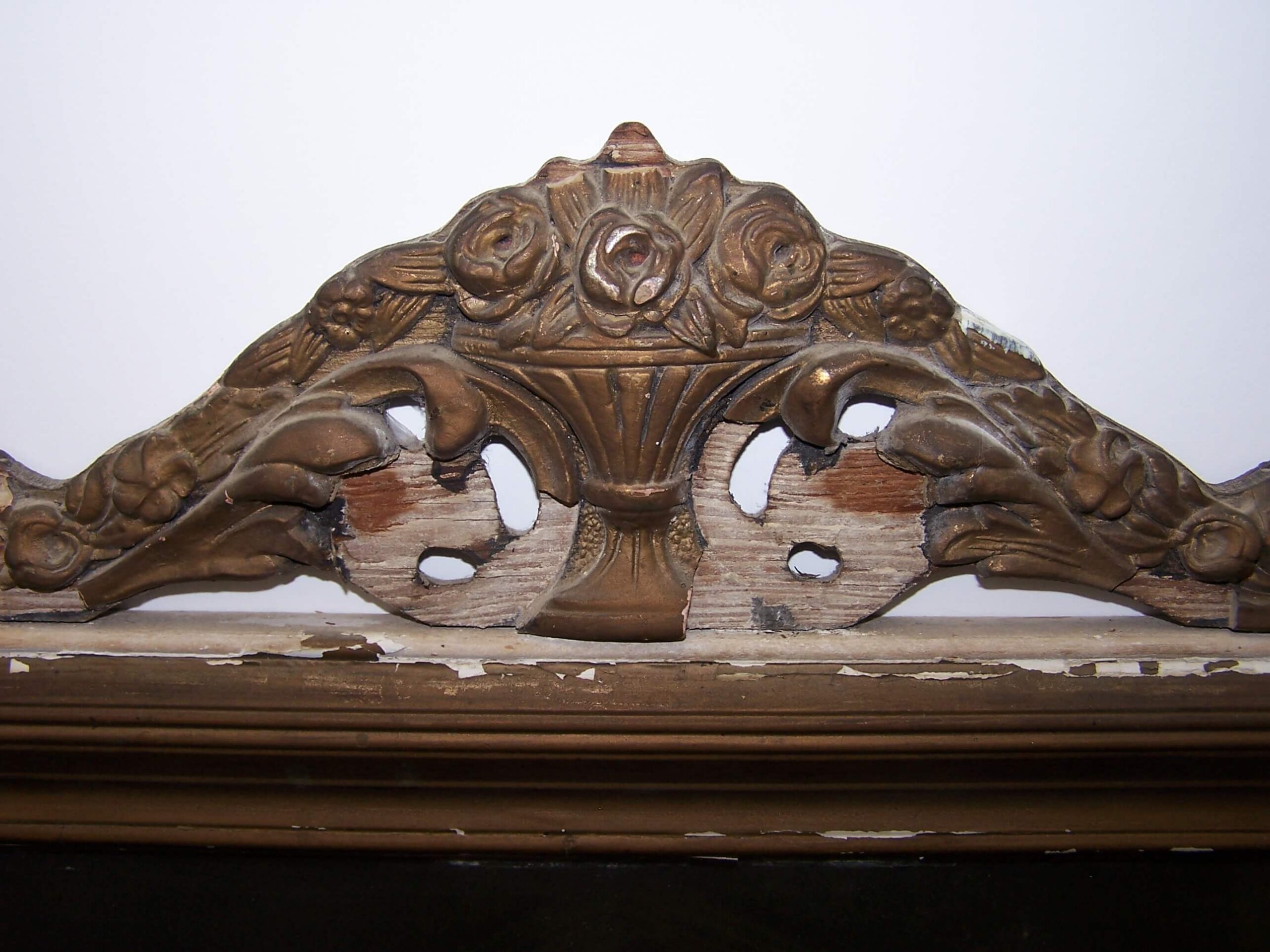
Cracked joints rejoined, broken ornaments recarved or cast, gilding and finishes restored, gouges filled, and structurally compromised frames stabilized. Period-appropriate materials and techniques preserve the frame's character and value.
Framing something unusual, oversized, or already damaged? Call (614) 866-4484 and the Columbus team will tell you what the project actually involves before anything gets committed.
What real framing and frame restoration looks like
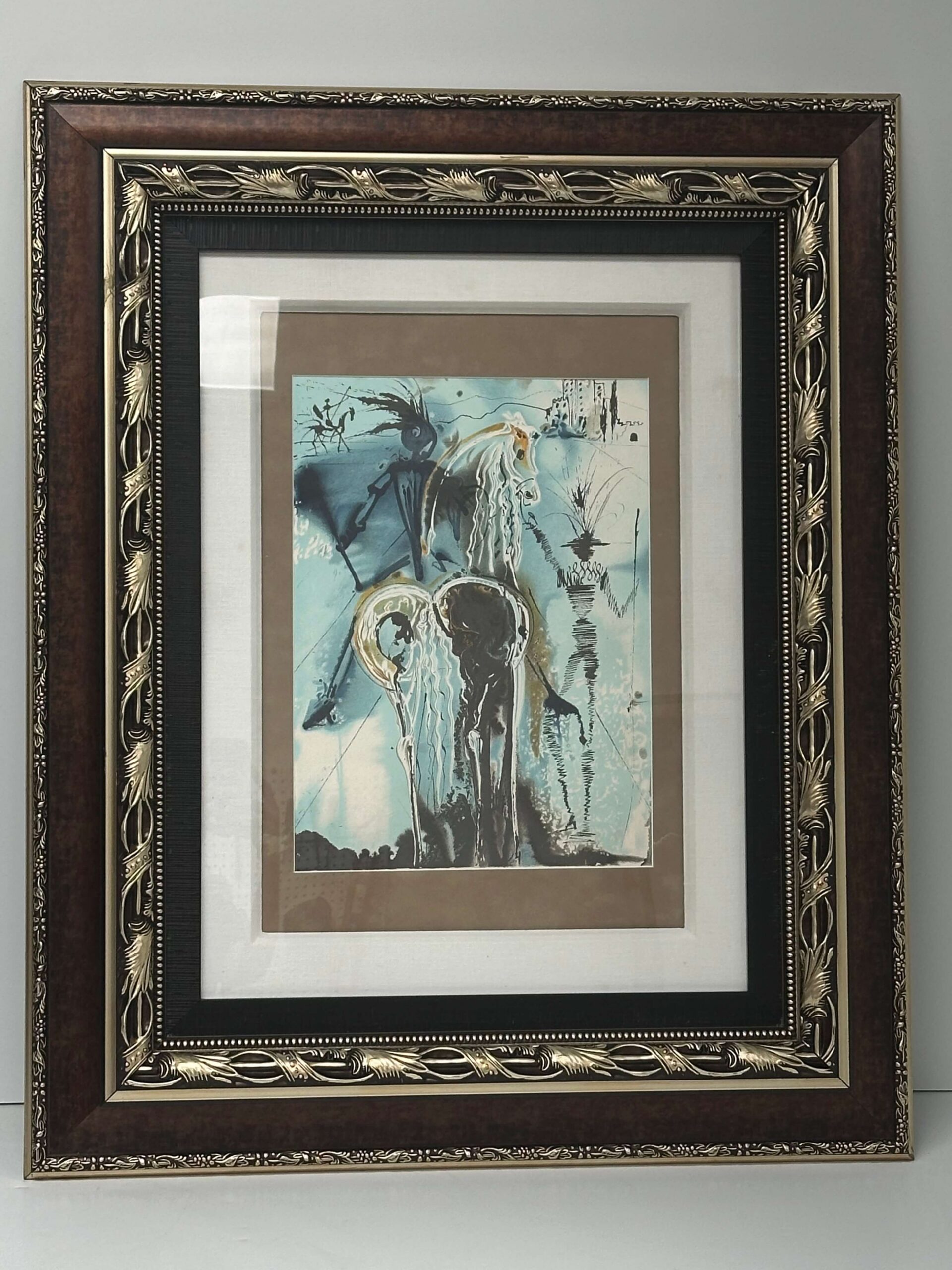
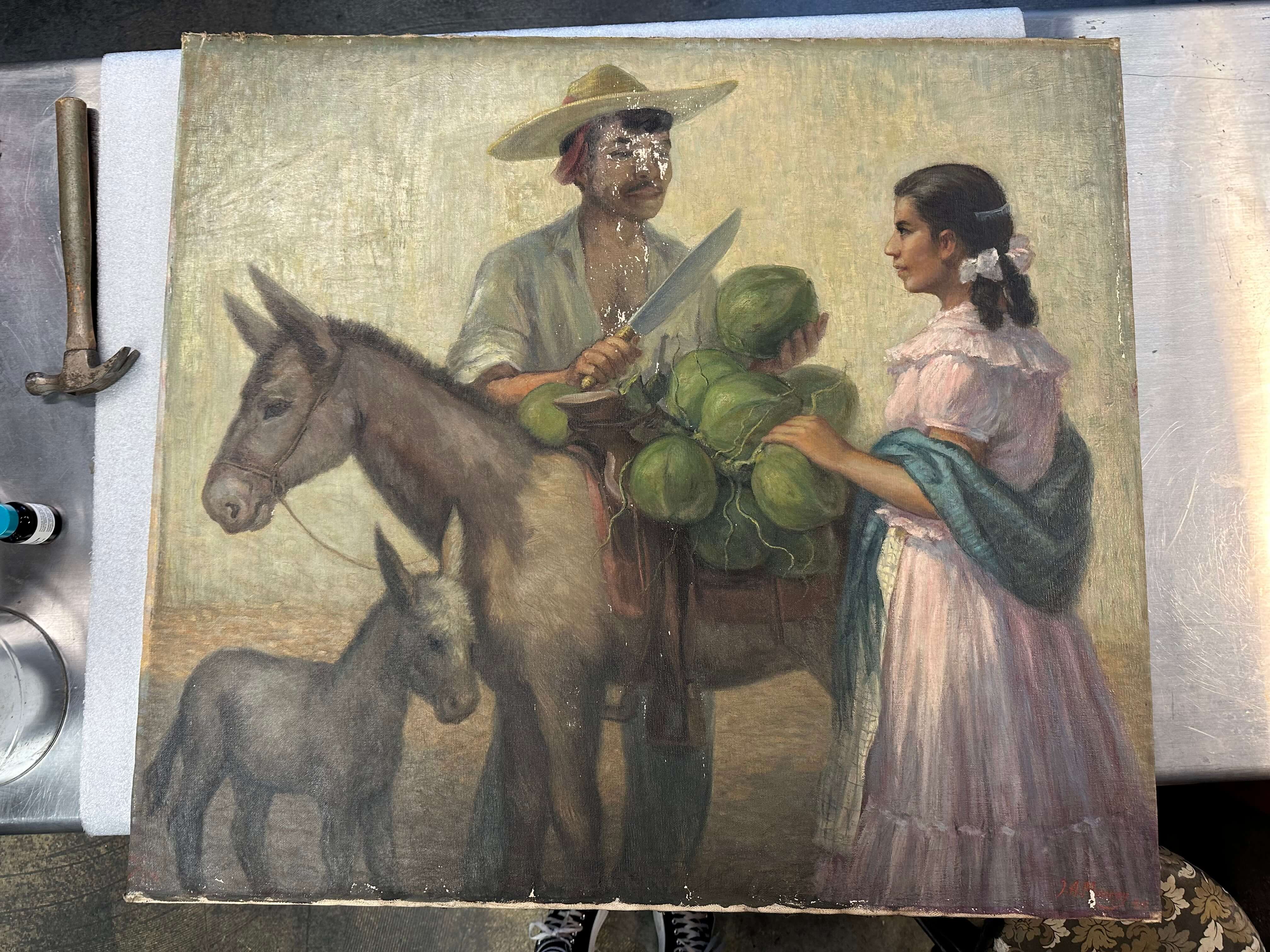
It came in as a loose painting with a broken frame set aside. It went back up on the wall as a restored painting inside a rebuilt period frame. Both pieces of the job, handled under one roof.
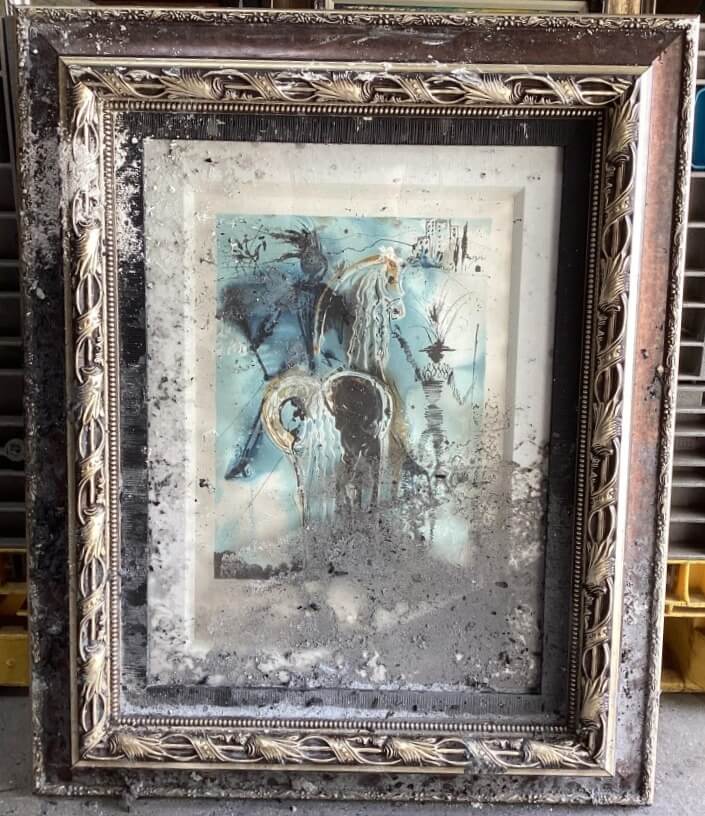
Painting and frame came in with damage across both. Art restoration and frame work happened in parallel, with the finished piece returned inside a properly repaired period frame. Every material used is archival and every repair is reversible.
Archival layer stack
Rag matting, UV glazing, archival mount, sealed backing. Every layer in the frame sandwich is chosen for what it does to the artwork over time, not for what it costs at build.
Period frame preserved
Cracked joints rejoined, missing ornaments recarved or cast, lost gilding restored. Original character holds because the frame is repaired, not replaced.
Fully reversible
Mounts, adhesives, fillers, and finishes used in the build can be removed later without harm to the piece. Today's framing does not close any doors on tomorrow's conservation.
Real Framing & Restoration Projects from Columbus, Cincinnati & Dayton
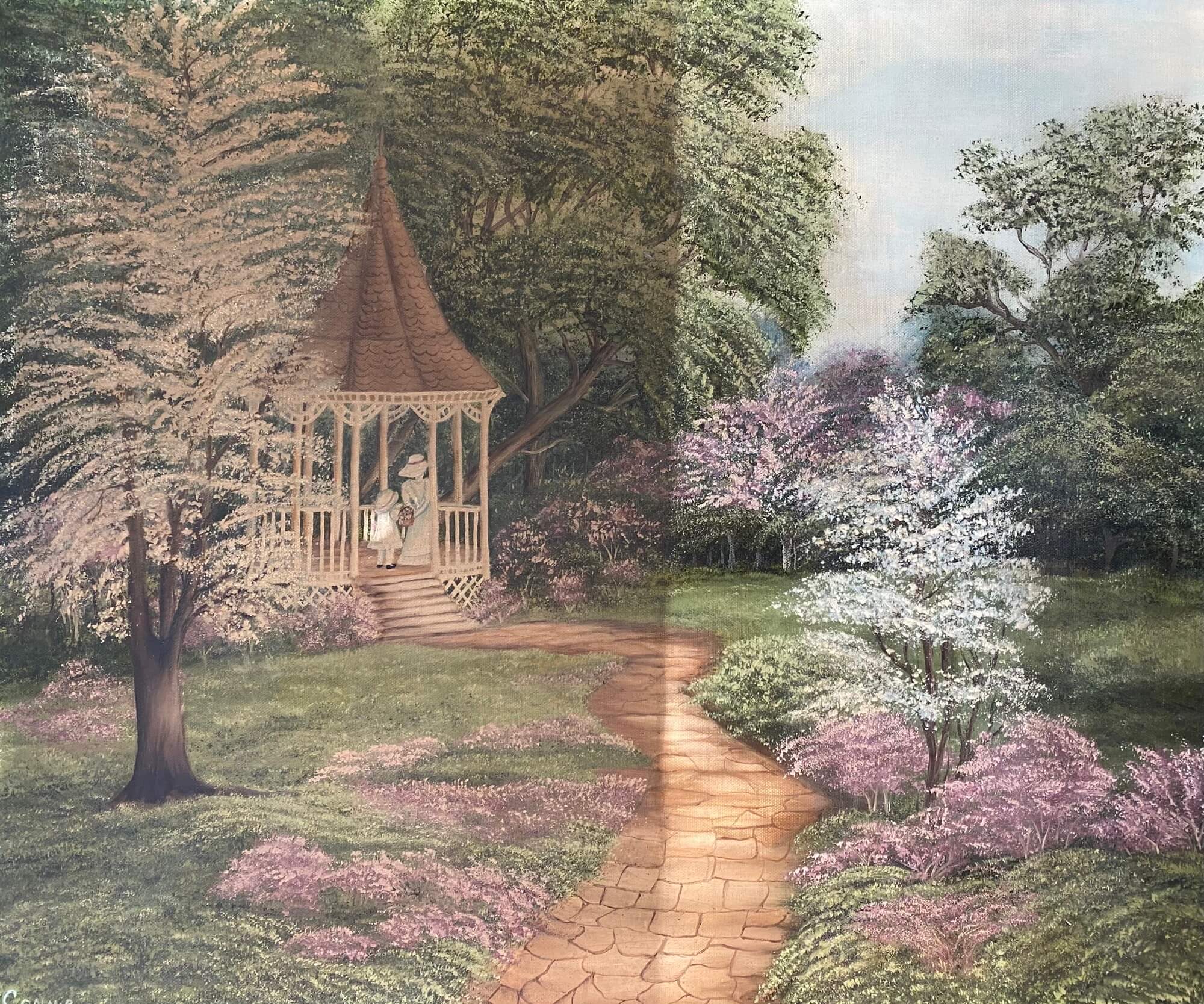
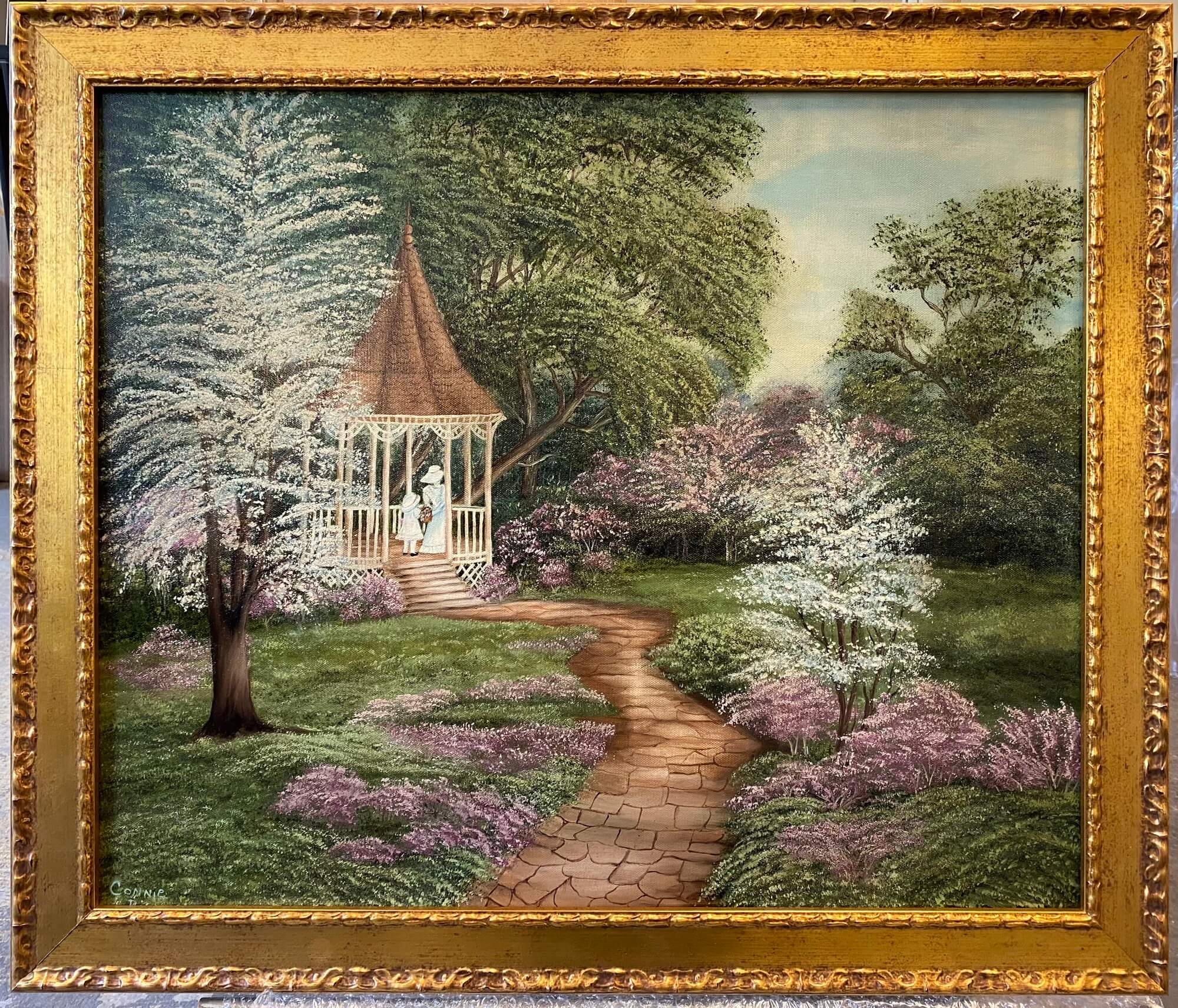
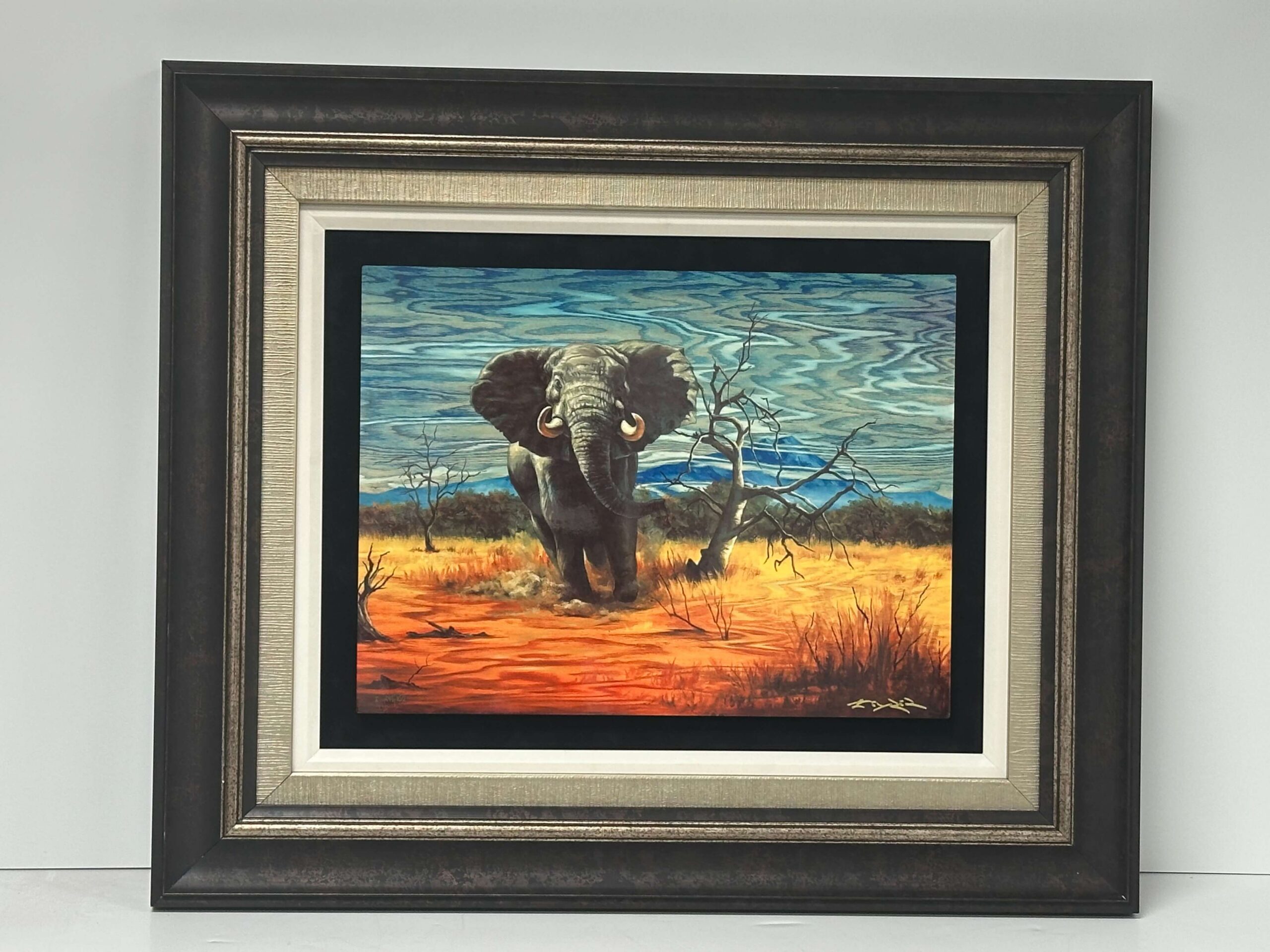
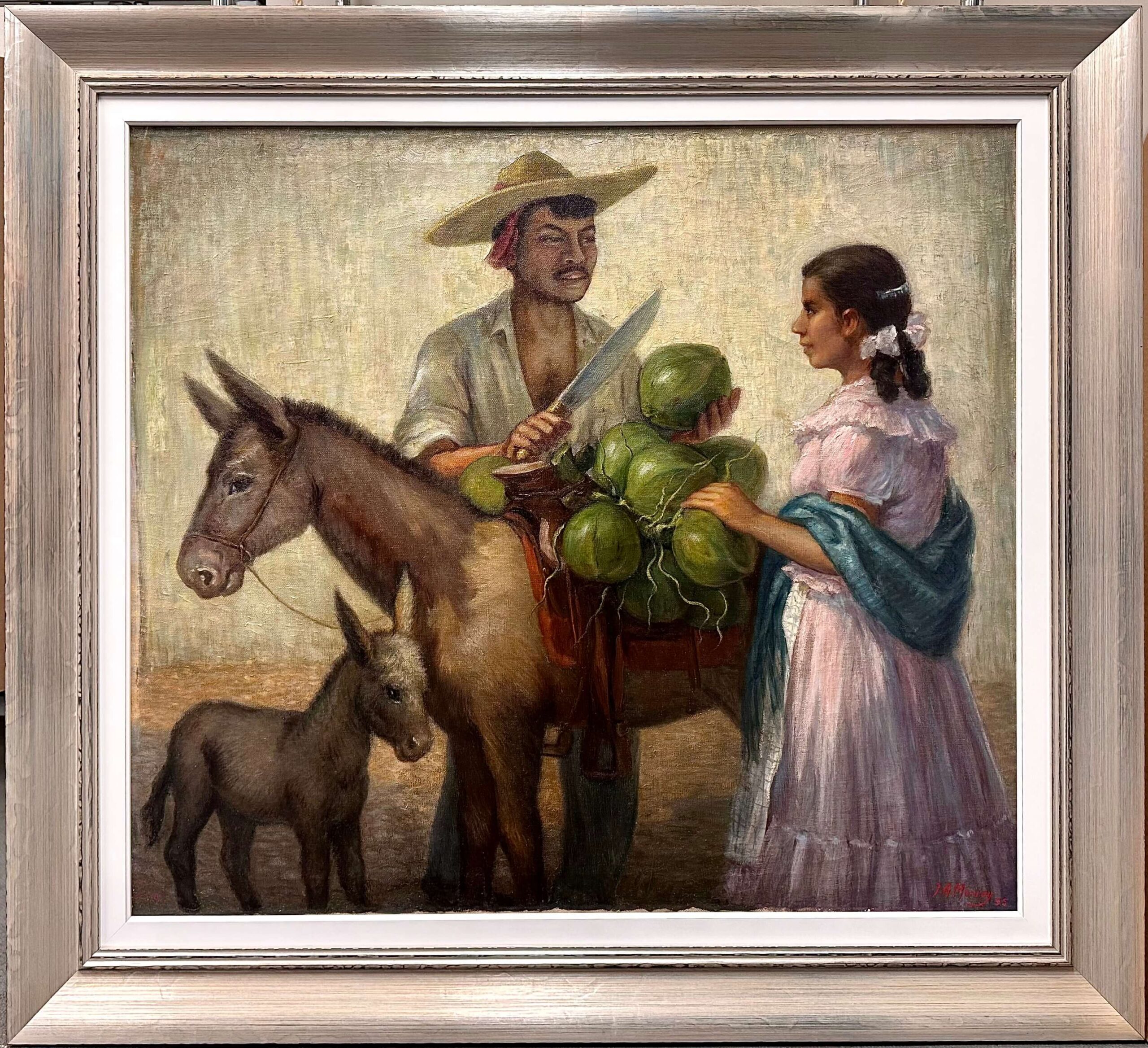
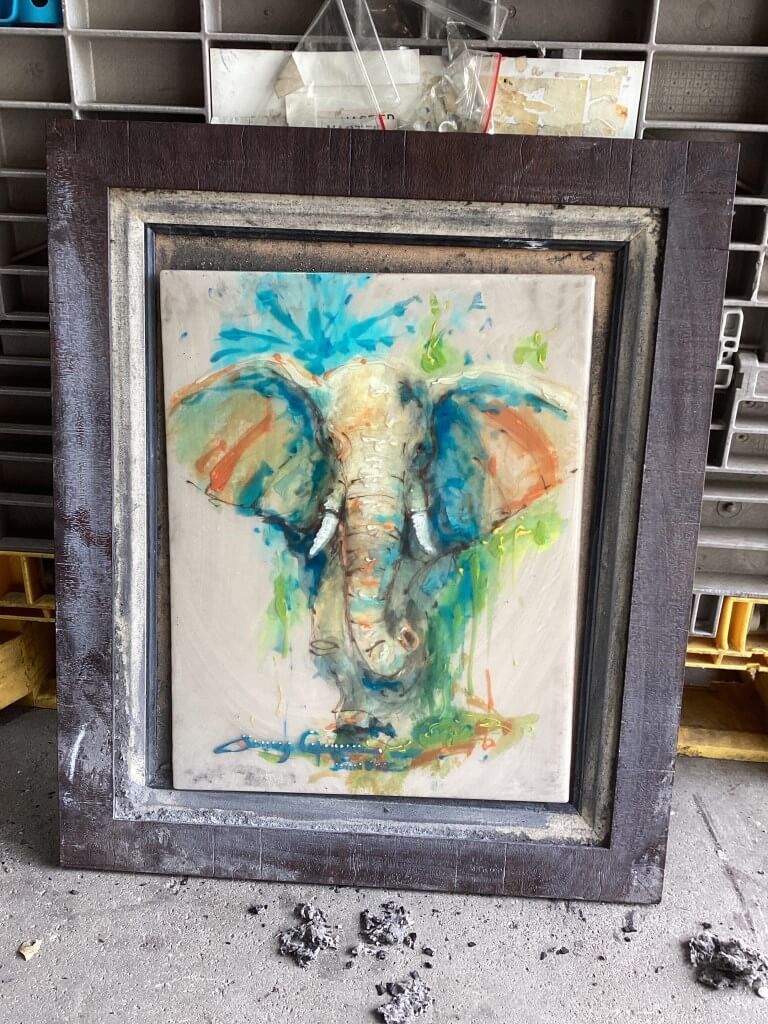
Two paintings routed through the Columbus workshop where damage to the art had to be addressed before the frame work could begin. Both returned to their owners as fully restored pieces, ready for the wall.
Garden Gazebo Landscape Painting
Elephant Painting

More Framing & Frame Restoration Examples from Our Columbus Workshop
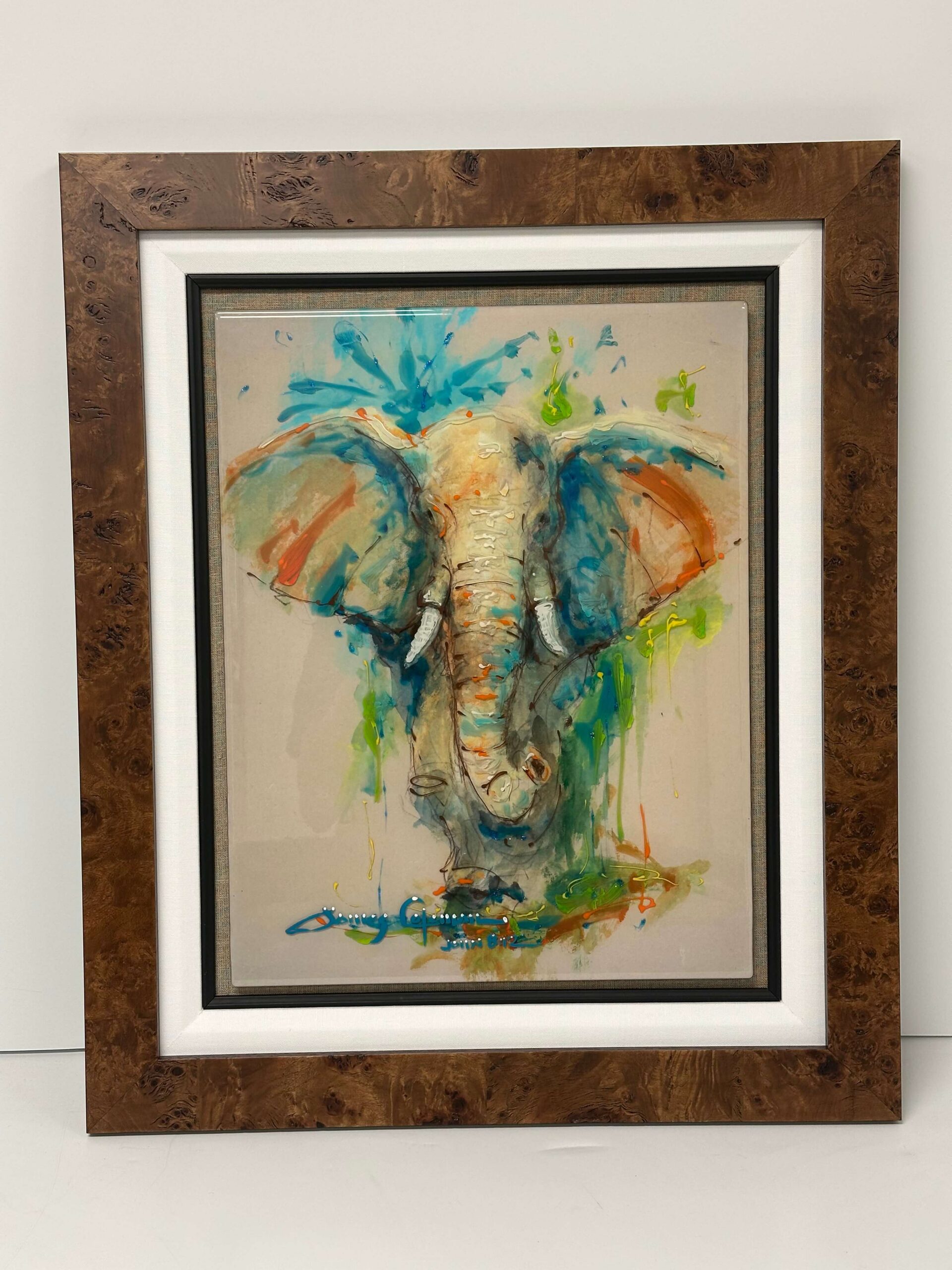
Additional framing and frame restoration work that has moved through the Columbus shop. Some images are pre-restoration, captured during the intake photography that goes into the claim file. Others show post-restoration pieces where the original damage image was never taken. Every item in the gallery ran through the same archival, reversible standard used on the B/A pairs above. Captions call out which is which.
How Custom Framing Works at Prism
Every framing project, whether a new build, a shadow box, or a period frame restoration, runs through the same four-step workflow. The Columbus team walks you through each step before anything billable starts.
Consult
Bring the piece into the Columbus facility, or reach out for a remote assessment. The artwork gets evaluated, display goals get discussed, and preservation requirements get reviewed. No obligation before the project scope is agreed.
Design
Moulding profiles, matting colors, glazing options, and mounting methods get recommended based on what the piece actually is. Conservation needs, room aesthetics, and budget all factor into the plan before anything is ordered.
Build
Frames get built by hand in the Columbus workshop using archival materials. Acid-free backing, UV-protective glazing, reversible mounting, and sealed construction go into every job at the conservation standard, not as upgrades.
Deliver
Final quality inspection, hanging hardware installation, and care instructions. Preservation guidance travels with the piece so the framing investment holds for decades, not years, and future conservators have the notes they need.
Why Columbus, Cincinnati & Dayton Trust Prism for Custom Framing
Restoration Specialists, Not Retail Framers
The Prism team restores artwork damaged by fire, flood, and time every week. That conservation experience informs every framing decision from material selection through mounting method. A retail frame shop simply does not work at this level of the job.
Archival Materials as Standard
Acid-free matting, UV-protective glazing, and reversible mounting are the default at Prism, not the paid upgrade. Every frame built meets conservation-grade specifications that protect the piece from light, moisture, and acid damage.
Insurance Claim Framing
When a covered event damages the original frame, homeowner insurance typically covers replacement. The Columbus claims team documents the damage, works directly with adjusters, and builds replacement framing that matches or exceeds the original quality.
Tri-Market Coverage, Local Facility
Columbus drop-off with regional service across Cincinnati, Dayton, Southern Ohio, Northern Kentucky, and West Virginia. One facility, three markets, and the full national Prism franchise network behind every project.
Custom Framing Service Areas
Columbus Area
Central Ohio including Franklin, Delaware, and Licking counties. Walk-in consultations at 171 Schofield Drive. Local drop-off for artwork, memorabilia, oversized pieces, and period frames awaiting repair.
Cincinnati Area
Southwestern Ohio and Northern Kentucky. Professional packaging and secure transport for fragile pieces, with the same conservators and the same archival materials as the Columbus jobs.
Dayton Area
Miami Valley including Montgomery, Greene, and Clark counties. Full custom framing, shadow box construction, and insurance claim framing coordinated out of the Columbus workshop.
Other art types affected in the same incident? Scope everything together through the broader art restoration assessment so framing, restoration, and conservation stay on the same plan and the same schedule.
Custom Framing FAQ — Columbus, Cincinnati & Dayton
How much does custom framing cost?
Cost tracks with frame size, moulding selection, matting layers, glazing type, and mounting method. Conservation-grade framing runs higher than commodity framing because the archival materials cost more, and they protect the piece for decades instead of years. Call (614) 866-4484 for a free consultation and a written quote.
What is the difference between conservation framing and regular framing?
Conservation framing uses acid-free matting, UV-protective glazing, and reversible mounting that prevent long-term damage to the artwork. Regular framing often uses acidic mats and cardboard backing that yellow and deteriorate over time, eventually damaging the piece they were built to hold. Call (614) 866-4484 to walk through the options.
How long does custom framing take?
Standard projects run 2 to 4 weeks depending on complexity, material availability, and shop volume. Shadow boxes, oversized pieces, and jobs that include frame repair or art restoration before framing take longer. A firm timeline is written into the consultation so the schedule is clear before the shop starts work. Call (614) 866-4484 to get the project started.
Can you frame a sports jersey or memorabilia?
Yes. Custom shadow boxes built for jerseys, signed memorabilia, game-used equipment, and display pieces. UV-protective glazing prevents fading and archival mounting prevents fabric degradation over time. Call (614) 866-4484 to talk through the display.
Do you offer UV-protective glass?
Yes. UV-protective glazing is standard on every conservation framing project, not an upgrade. Both glass and acrylic options are available depending on frame size, weight, and display conditions. The glazing blocks the light wavelengths responsible for fading, yellowing, and paper deterioration. Call (614) 866-4484.
Can you repair a damaged frame without replacing it?
Yes. Cracked joints rejoined, broken ornaments recarved or cast, gilding and finishes restored, gouges filled, and structurally compromised frames stabilized. When the original frame carries historical or sentimental value, repair is almost always the right call over replacement. Call (614) 866-4484 to discuss the frame.
Does insurance cover custom framing?
When a covered event damages the original frame — fire, water, smoke, storm — homeowner insurance typically covers replacement framing. The Columbus claims team documents the damage, coordinates directly with your adjuster, and builds replacement framing that matches or exceeds the original quality. Call (614) 866-4484 to start the claim.
What types of art can you frame?
Original paintings, prints, photographs, works on paper, textiles, documents, diplomas, maps, posters, and three-dimensional objects. If a piece holds meaning, it can be framed with the right materials and the right techniques for the media. Call (614) 866-4484 to describe the piece.
Can you stretch a canvas that has come off its stretcher bars?
Yes. Custom stretcher bars built, loose or damaged canvas re-stretched, and unstretched pieces gallery-wrapped for display. Proper tensioning prevents sagging, cracking, and paint loss. Call (614) 866-4484 for an assessment.
Why choose Prism Specialties over a big-box frame shop?
Retail frame shops sell moulding. Prism protects artwork. The team includes restoration specialists with three decades of conservation experience, and every frame built uses archival materials as standard, not as a paid upgrade. When the piece has real value, it deserves framing by people who work in preservation every day. Call (614) 866-4484.
Protect What Matters. Conservation-Grade Framing Across Columbus & Beyond.
Bring the artwork into the Columbus workshop for a free consultation and a written scope before anything gets committed. Every project starts with restoration specialists who work in archival materials every day, not retail framers upselling glazing tiers. Most frames come back, and the art comes back with them.