The Specialty Contents Restoration Process
Prism Specialty Restoration follows a structured, insurance-aligned process from the moment a claim is submitted through final delivery. Every stage of this specialty contents restoration process is built around documentation, accountability, and controlled handling so adjusters can move efficiently, contractors stay informed, and property owners know their contents are in qualified hands.
This process applies across all specialty divisions, including electronics, commercial equipment, textiles, documents, and fine art. Whether the loss involves fire, smoke, water, vandalism, or lightning, Prism delivers a consistent, report-driven workflow that supports claim resolution and maximizes restoration outcomes.

How Specialty Contents Restoration Works
Prism’s specialty contents restoration process is a five-stage, insurance-aligned workflow from initial authorization through documented return. Each stage is designed to support claim documentation, maintain item accountability, and return contents to pre-loss condition whenever possible.
Step 1: Claim Submission & Authorization
The insurance claim restoration process begins when a claim is submitted and routed to the nearest Prism specialist based on loss location. Before any work starts, a Work Authorization form is completed to confirm scope, establish payment direction, and formally initiate the restoration workflow.
Step 2: On-Site Assessment & Inventory
A Prism specialist conducts an on-site assessment and builds a complete, photo-documented inventory of affected contents. Items are categorized by specialty division, electronics, art, textiles, documents, and commercial equipment to ensure proper handling from the outset.
This inventory is shared with the adjuster post pack out in most cases, providing full visibility into scope and supporting early claim decisions.
Step 3: Pack Out
Contents are professionally packed, categorized, and transported to a Prism facility under strict protocols. Every item is logged, tracked, and documented throughout handling and transport.
This level of control ensures that adjusters and contractors have a clear record of where items are, how they are being handled, and what stage they are in within the specialty restoration workflow.
Step 4: Specialty Restoration
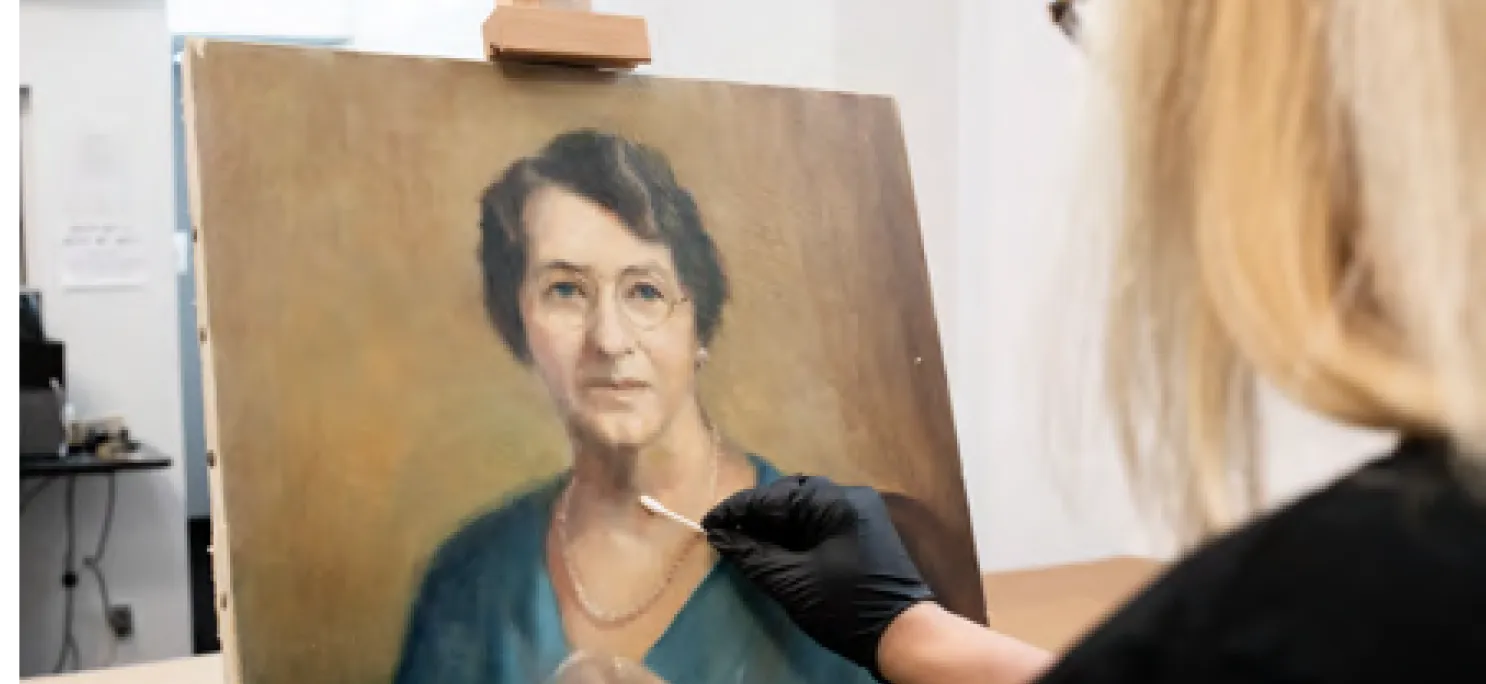
Items are routed to the appropriate division for evaluation and restoration using category-specific processes, equipment, and controlled environments. Commercial equipment undergoes diagnostic testing and component-level repair, while textiles, electronics, documents, and art follow specialized restoration protocols.
Items deemed non-restorable are documented with condition reporting and replacement cost references to support adjuster review. When applicable, data recovery is initiated in parallel for affected electronics.
Step 5: Quality Review, Documentation & Return
Before return, all restored items undergo final quality control to confirm restorability outcomes. Prism compiles a complete documentation package, including inventory, restorability assessments, non-restorable reports, and full records.
This reporting is delivered to the adjuster prior to final billing, ensuring the file is fully supported. Items are then repacked and returned to the property owner on a scheduled delivery.
Clear Communication at Every Stage
Throughout the specialty contents restoration process, communication is structured, consistent, and role-specific, keeping the insurance claim restoration process moving without adding coordination burden on the adjuster or contractor.
Adjusters receive timely updates, documentation, and reporting to keep the insurance claim restoration process moving efficiently. Contractors stay aligned on scope and timing. Property owners receive clear, supportive communication from pack-out through return.
Prism has coordinated this process across thousands of specialty contents claims, from single-item residential losses to multi-division commercial large-loss events. If an item cannot be restored, that determination is documented and communicated early before replacement decisions are made.

Frequently Asked Questions
Prism’s specialty contents restoration process follows five documented stages: claim authorization, on-site inventory, pack-out, specialty restoration, and final return with a complete documentation package. Each stage is designed to maintain item accountability, support insurance claim decisions, and keep adjusters and contractors informed throughout the workflow.
Ready to Start Our Process?
Submit a claim to initiate the specialty contents restoration process. A Prism specialist will coordinate next steps, including on-site assessment and inventory.
A Prism specialist will coordinate next steps, including on-site assessment and inventory.
Restoration Insights & Resources
Industry News
Updates, media coverage, and industry insights related to specialty contents restoration and disaster recovery.
Case Studies
Real-world examples showing how Prism helps adjusters, contractors, and businesses recover valuable contents after loss events.
Restoration Insights
Expert articles covering claims documentation, specialty restoration processes, and best practices after property damage.