
Homeowners: Your Belongings Are in Specialist Hands
If your adjuster or contractor has brought Prism in, your belongings are being handled by specialists — with the care, documentation, and communication that keeps you informed from pack-out through return.
Prism helps homeowners recover belongings that may appear beyond repair after fire, water, smoke, mold, lightning, or residential vandalism losses. In many cases, restoration can help families restore instead of replace household items, preserving both sentimental and financial value.
What Prism Delivers for Homeowners
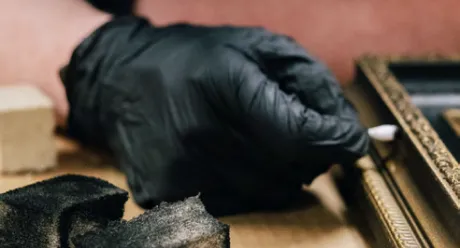
Your Items Are Handled With Care
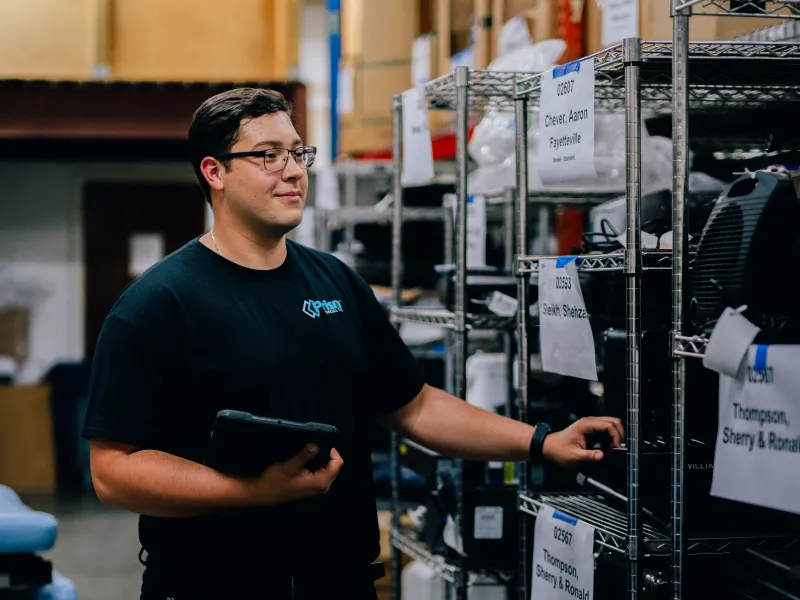
Every item Prism touches is photographed and inventoried before it leaves your home, creating a documented record of what was packed out and where it is throughout the restoration process. From family keepsakes and clothing to artwork, electronics, and important documents, you’ll have visibility into what’s being restored and how the process is progressing.
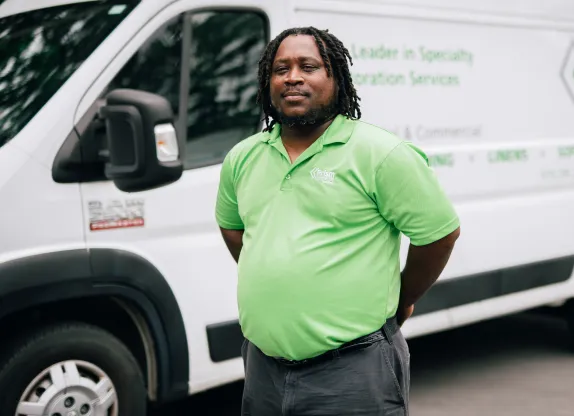
You'll Know What to Expect
Restoration can feel overwhelming when you’re already dealing with the disruption of a fire, water loss, or other property damage. Prism provides updates throughout the restoration process so you understand when items are packed out, when restoration work begins, and when belongings are ready to return. If an item cannot be restored, you’ll receive that information before replacement decisions are made. For many homeowners, understanding the insurance contents restoration process can be just as important as understanding the restoration work itself.
Specialists for the Things That Matter Most
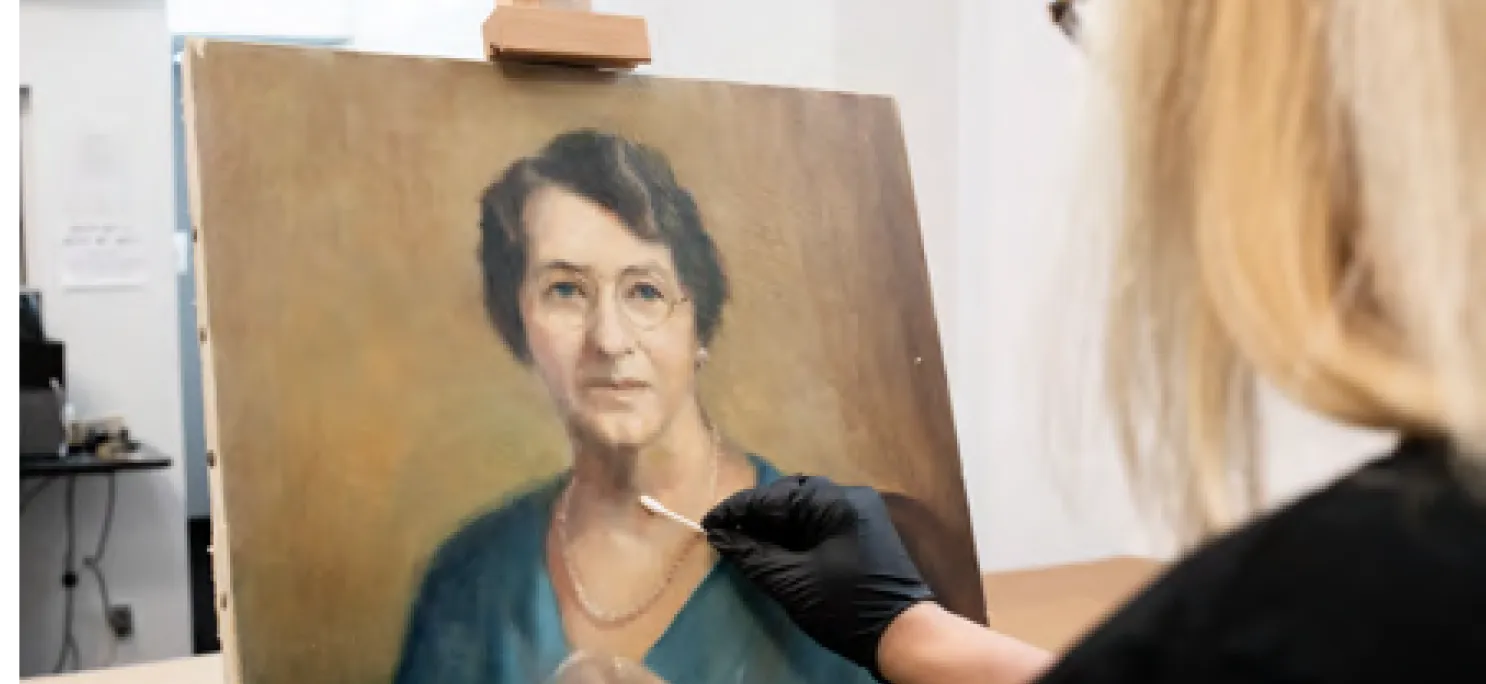
Not all belongings require the same expertise. A wedding dress, original artwork, family photographs, electronics, and important documents each require different restoration methods. Prism assigns the appropriate specialist to each category of contents, ensuring items are evaluated and restored by professionals with experience in that specific area. Our specialists regularly perform electronics and art restoration after damage, clothing and textile restoration after water damage, and recovery services for personal records, photographs, and other meaningful household contents. Each category of belongings receives restoration methods tailored to its material, condition, and restoration requirements.
Prism in Action
Some belongings can’t be replaced. This is a case where restoration made the difference.
Adjusters
Residential Fire at a Notable Artist’s Long Island Home
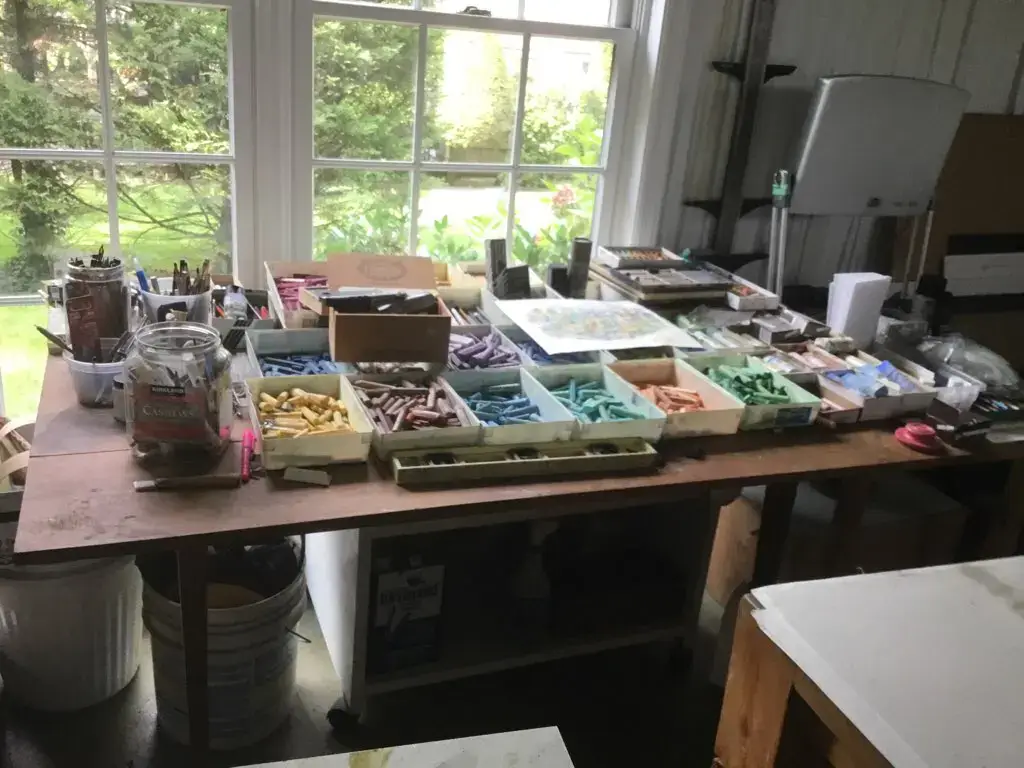
A fire occurred at the home of a notable modern artist, who was also a wellknown advertising executive and author of children’s books, Norman Gorbaty.
Since Mr. Gorbaty was late in his career, the collection of art was massive. Due
to the fire, the extensive collection was exposed to heavy soot and humidity
from the fire suppression.
Paul Davis of Long Island was called late at night to mitigate the loss. Once the
art collection was identified, they placed a call to Prism Specialties Art of NYC
& LI at 1:00 PM. Within two hours, the Prism Specialties Art team was on-site
securing the artwork and developing a plan for pack out for Paul Davis to begin
mitigation.
Frequently Asked Questions
Once a claim is submitted, a Prism specialist reviews the loss details and coordinates the next steps. Depending on the situation, this may include scheduling an assessment, arranging a pack-out, documenting contents, and determining which restoration specialists are needed for the project. Throughout the process, your local Prism team will provide updates and answer questions about your belongings.
Questions About Your Restoration?
If your adjuster has already submitted a claim, your local Prism team will be in touch soon. Whether your adjuster has already submitted a claim or you’re trying to understand what comes next, we’re here to help answer your questions and provide clarity throughout the restoration journey.
Further Reading
Emerging Technologies in Disaster Recovery and Restoration
For homeowners navigating a loss, modern restoration technologies often make it possible to restore instead of replace household items, reducing disruption while preserving belongings that may hold significant personal value.
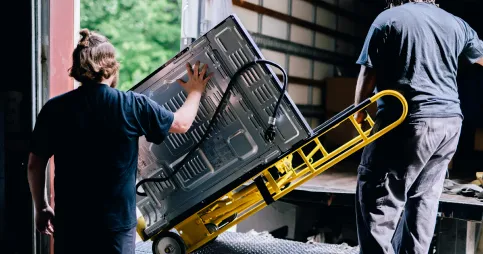
Restoration technology has advanced significantly in recent years. From specialized cleaning systems and advanced drying methods to sophisticated electronics testing and digital documentation tools, modern restoration techniques can often recover items that would previously have been considered non-restorable.
Understanding how these technologies are used can help homeowners feel more confident that their belongings are receiving the appropriate care and evaluation throughout the restoration process.