Step 1: Assessment & Inventory
All textile and soft goods items are assessed on-site and catalogued with photo documentation before any items are moved.
Specialized cleaning, deodorization, sanitization, and restoration for clothing, linens, leather goods, rugs, and fabric-based contents — with claim-ready documentation for adjusters and contractors. Early intervention after fire, smoke, water, or mold damage improves restoration outcomes and reduces replacement costs.
Textiles and soft goods restoration is the specialized process of recovering fabric-based contents damaged by fire and smoke, water, mold, or vandalism. Unlike general disaster cleanup, textile restoration focuses on individual items through material-specific cleaning, deodorization, stain treatment, and sanitization processes designed to return contents to pre-loss condition.
This service applies to everyday clothing and bedding, leather goods, commercial uniforms, area rugs, and specialty fabrics. Claims are commonly initiated by insurance adjusters, restoration contractors, homeowners, and businesses following a property loss. Prism’s textile restoration specialists provide documented restorability assessments and claim-ready reporting to help adjusters and contractors move claims forward efficiently.
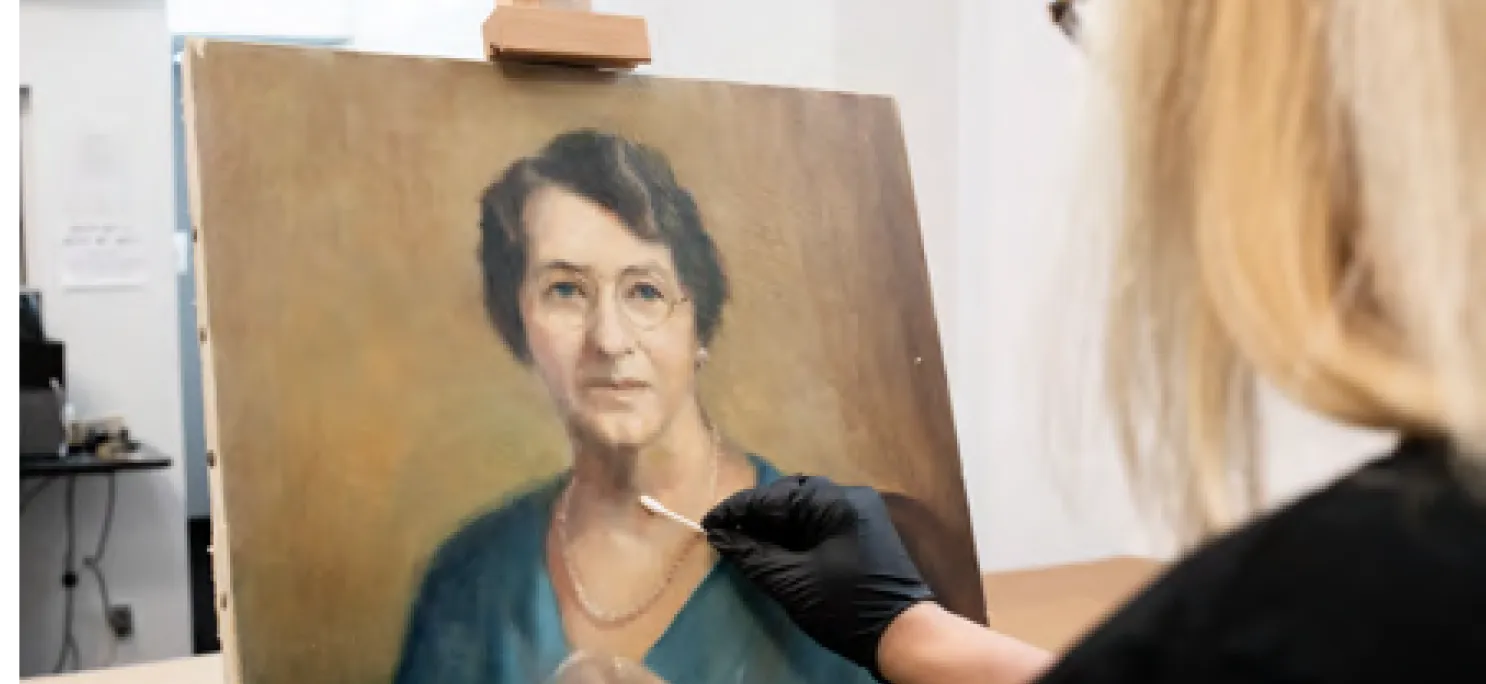
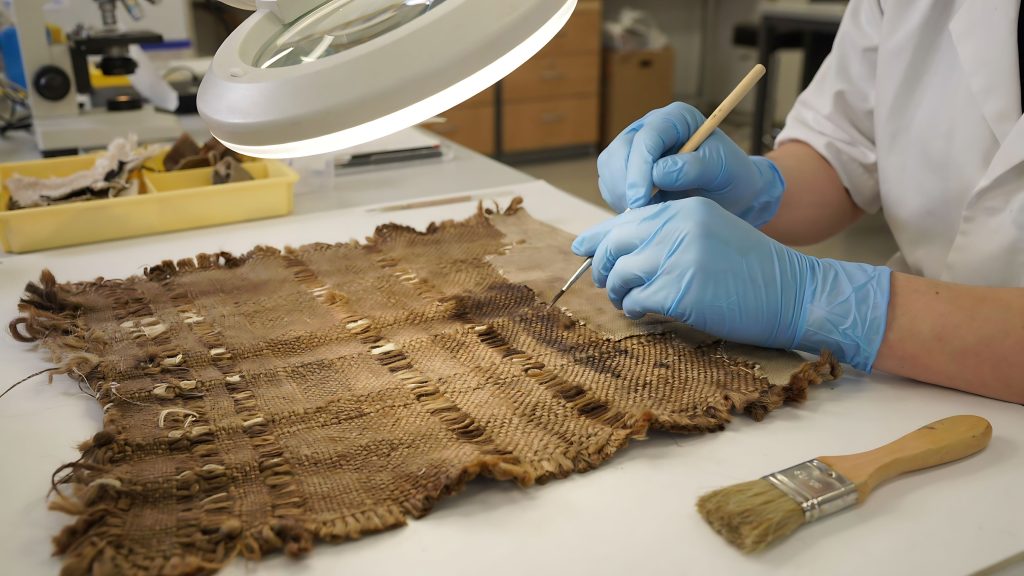
Prism’s textiles division restores a wide range of fabric-based contents damaged by fire and smoke, water, mold, and vandalism.
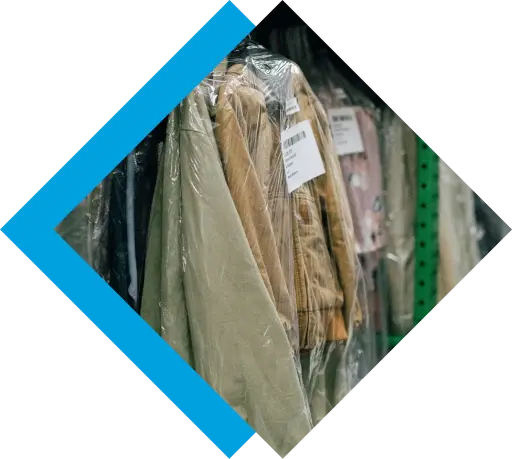
Prism’s textiles restoration process follows a documented, step-by-step workflow from initial assessment through restoration and return, designed to meet insurance documentation standards at every stage.
All textile and soft goods items are assessed on-site and catalogued with photo documentation before any items are moved.
Items are carefully packed, labeled, and transported to Prism’s restoration facility with documented item-level tracking records throughout the process.
Textiles undergo specialized cleaning, odor removal, sanitization, stain treatment, and fabric-specific restoration protocols based on material type, contamination level, and damage conditions. Because soft goods can retain invisible contaminants after a loss, sanitization is a critical step alongside cleaning and deodorization.
Each item receives a written restorability assessment. Items that cannot be restored are documented with condition notes and replacement cost references for adjuster review.
Restored items pass final quality inspection before return, with a complete documentation package delivered to the adjuster before final billing.
See our full pack out and documentation process
Find out More
Prism’s textile restoration process is built around the documentation and communication standards that insurance adjusters and restoration contractors need to close textile claims efficiently.
Prism’s textiles division supports residential and commercial textile restoration projects, working directly with insurance adjusters, restoration contractors, businesses, and homeowners managing textile-related losses.
Whether you need residential or commercial support, Prism’s soft goods restoration services help recover fabric-based contents while supporting efficient claim resolution.
For adjusters managing soft contents claims, the restore-versus-replace decision is rarely straightforward. Material type, contamination level, replacement cost, and sentimental value can all influence the appropriate outcome. What makes textiles different from most contents categories is timing: smoke residues, odors, staining, and microbial contamination become more difficult to remove the longer items sit untreated. Early intervention directly affects what can be saved and what has to be written off.
In many cases, restoration is the faster and more cost-effective option when textiles remain structurally sound and damage is limited to odor, soot, staining, or surface contamination.
Prism evaluates each textile item individually before restoration begins. Every recommendation is supported by a documented restorability assessment that considers the item’s condition, material composition, extent of damage, restoration feasibility, and replacement considerations. This documentation helps adjusters make informed claim decisions with a clear record of how each determination was reached.
Textiles and soft goods restoration is the process of recovering fabric-based contents that have been damaged by fire and smoke, water, mold, or other loss events. The process may include cleaning, deodorization, stain removal, contamination treatment, and fabric-specific restoration methods designed to return items to a usable condition whenever possible.
Updates, media coverage, and industry insights related to specialty contents restoration and disaster recovery.
Real-world examples showing how Prism helps adjusters, contractors, and businesses recover valuable contents after loss events.
Expert articles covering claims documentation, specialty restoration processes, and best practices after property damage.