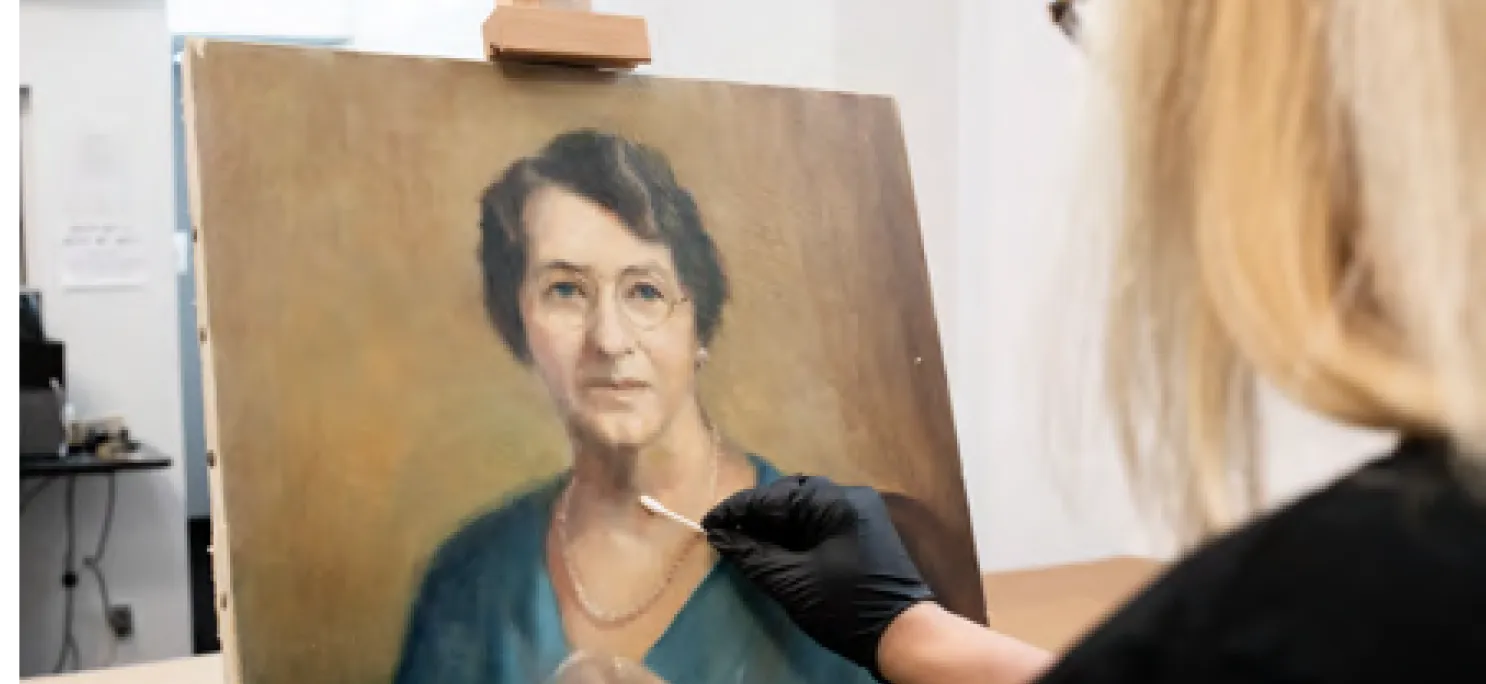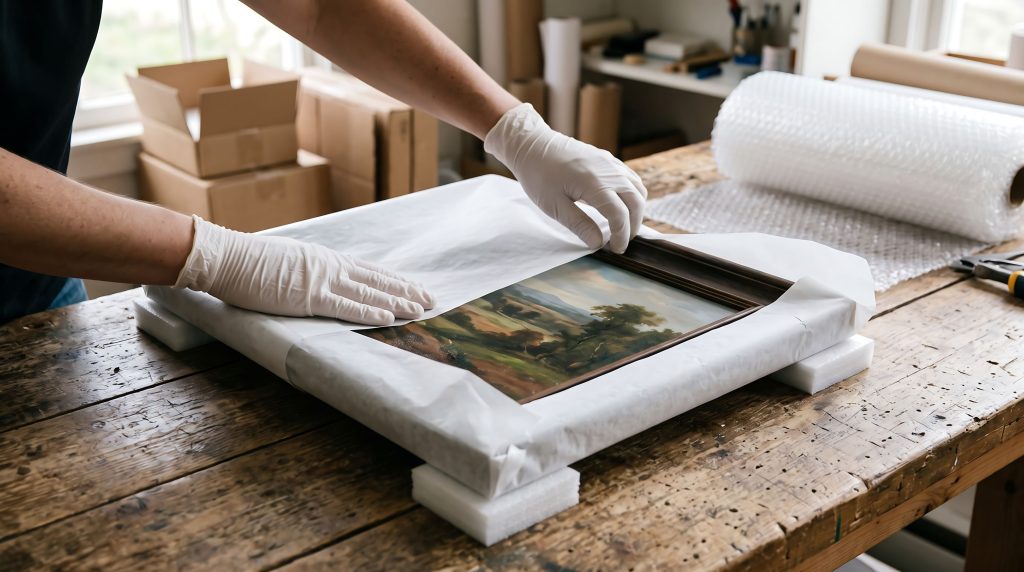
Step 1: Assessment & Inventory
All artwork and collectible items are assessed on-site and catalogued with photo documentation before any items are moved.
Conservation-grade restoration for fine art, antiques, memorabilia, and collectibles — with claim-ready documentation for insurance adjusters and contractors. Early intervention after fire, smoke, water, or vandalism protects both condition and long-term value.
Art & collectibles restoration is the specialized process of recovering fine art, antiques, memorabilia, and other valuable items damaged by fire and smoke, water, mold, or vandalism. Unlike general disaster cleanup, fine art restoration and artwork restoration focus on preserving an item’s condition, appearance, historical significance, and value through specialized conservation and restoration techniques.
This service applies to a wide range of personal, commercial, and institutional collections, including paintings, sculptures, antiques, and other collectible assets. Claims are commonly initiated by insurance adjusters, restoration contractors, homeowners, businesses, galleries, and collectors following a loss event. Prism’s art restoration specialists provide documented restorability assessments and claim-ready reporting to help adjusters and contractors move claims forward efficiently.
Prism’s art and collectibles division restores a wide range of valuable and irreplaceable items damaged by fire and smoke, water, mold, and vandalism.
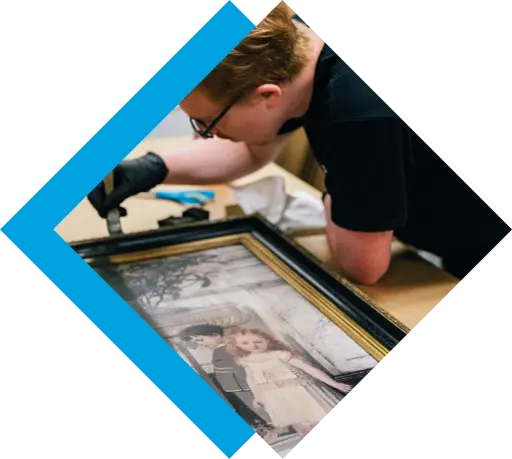
Prism’s art restoration process follows a documented, step-by-step workflow from initial assessment through restoration and return, designed to meet insurance documentation standards at every stage.
All artwork and collectible items are assessed on-site and catalogued with photo documentation before any items are moved.
Items are carefully packed using protective handling procedures and transported to Prism’s restoration facility with documented item-level tracking records.
Specialists perform conservation assessments, surface cleaning, stabilization, artwork repair, and restoration treatments appropriate to the item’s materials, condition, and damage type. Restoration plans are developed with both recovery and art preservation in mind, helping protect the item’s long-term value, integrity, and historical significance whenever possible.
Each item receives a written restorability assessment. Items that cannot be restored are documented with condition notes and replacement or valuation references for adjuster review.
Restored items undergo final inspection before return, with a complete documentation package delivered to the adjuster before final billing.
See our full pack out and documentation process
Find out More
Prism’s art restoration process is built around the documentation and communication standards that insurance adjusters and restoration contractors need to close art and collectibles claims efficiently.
Prism’s art restoration specialists work directly with insurance adjusters handling fine art claims and with homeowners whose irreplaceable items require specialist care. Using conservation-grade techniques, each item is evaluated according to its materials, condition, historical significance, and claim requirements before restoration begins.
Whether you’re an adjuster coordinating a claim or a homeowner whose belongings have been damaged, submit a claim and a Prism specialist will assess your situation and coordinate the right restoration support.
For insurance adjusters handling fine art and collectibles claims, the restore-versus-replace decision is more complex than standard contents. Many items are one-of-a-kind, appraised at values that don’t reflect current market replacements, or carry historical and sentimental significance that makes replacement impossible regardless of settlement amount. What makes this category uniquely time-sensitive is that smoke residue, moisture, and environmental contaminants continue damaging artwork after the loss event. Early intervention directly affects what can be recovered and what cannot.
Prism’s art restoration specialists assess each item individually before any work begins, providing written restorability determinations and, where needed, referrals to certified appraisers to support accurate claim valuation. Every decision is documented to give adjusters a complete, defensible record.
Art and collectibles restoration is the process of recovering valuable, historic, or sentimental items damaged by fire and smoke, water, mold, or other loss events using cleaning, stabilization, conservation, and restoration techniques. The goal is to preserve the item’s condition, significance, and value whenever possible while supporting insurance claim documentation requirements.
Updates, media coverage, and industry insights related to specialty contents restoration and disaster recovery.
Real-world examples showing how Prism helps adjusters, contractors, and businesses recover valuable contents after loss events.
Expert articles covering claims documentation, specialty restoration processes, and best practices after property damage.