Lightning Strike Damage
How Lightning Events Affect Specialty Contents and What Prism Restores
How Lightning Strikes Affect Specialty Contents
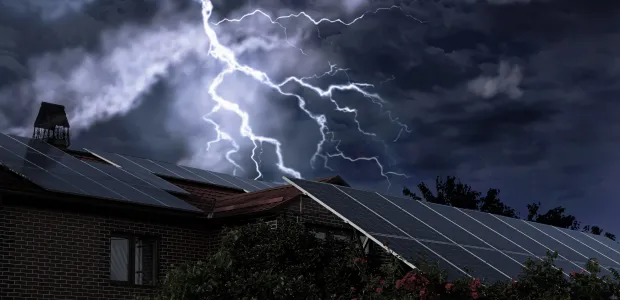
Lightning strike damage affects specialty contents through electrical surges, voltage spikes, and electromagnetic energy that can damage electronics, commercial equipment, appliances, and connected systems. Unlike physical damage that is immediately visible, lightning-related damage is often internal and may continue affecting performance long after the event occurs.
Determining whether a lightning event caused the reported damage requires a formal lightning strike evaluation and detailed lightning damage assessment, because electrical failures can result from multiple causes including utility disturbances, equipment defects, and power surges.
Electronics
Lightning-generated power surges can damage circuit boards, processors, power supplies, sensors, and internal components without leaving visible evidence. Specialized electronics lightning damage testing, component analysis, and equipment damage validation after lightning are required to determine whether observed failures are consistent with a documented lightning event.
Appliances & Connected Systems
Appliances, smart home systems, security equipment, HVAC controls, and network-connected devices may experience component failures caused by voltage spikes transmitted through electrical, communication, or utility lines. Understanding the difference between a power surge vs lightning strike event is critical — the cause, damage patterns, and claim documentation requirements differ significantly between the two.
Data Storage & Recovery
Computers, servers, network storage devices, and external drives may experience data loss or storage media damage following a lightning strike. Data recovery assessment is required alongside electronics restoration to determine whether information can be recovered.
Commercial & Large Loss
Commercial losses frequently involve interconnected systems including production equipment, office technology, communication systems, and business records. Coordinated assessment across multiple specialty divisions is required to establish scope and support claim documentation.
How Prism Responds to Lightning Strike Losses
Prism’s response to lightning strike losses begins with on-site assessment, inventory development, and photo documentation before any restoration work begins. Because lightning damage is frequently hidden within electronic and mechanical systems, diagnostic testing plays a critical role in both restoration planning and insurance claim review.

Immediate Assessment and Documentation
Prism specialists document affected contents, develop an itemized inventory, and record the condition of electronics, equipment, and other specialty contents as the foundation for lightning damage insurance documentation and adjuster review. This creates the baseline claim record used throughout restoration and claim review.

Diagnostic Testing and Evaluation
Lightning strike claims require extensive testing to identify hidden failures. Prism performs lightning checks, component-level diagnostic assessment, functionality testing, and forensic lightning damage analysis to determine whether damage patterns are consistent with a reported lightning event. Findings are documented to support restorability determinations and insurance claim review.
Damage Validation and Total Loss Determination
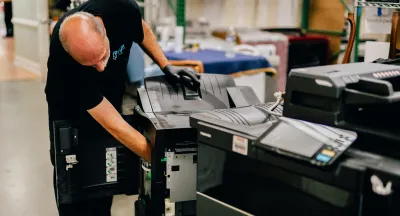
Each item is routed to Prism’s electronics specialists for diagnostic testing and evaluation. Using proprietary testing protocols, technicians determine whether lightning strike or power surge damage is present. Every item receives a documented assessment outlining its condition, testing results, and damage findings. When lightning or surge damage is confirmed, the item is documented as a total loss, with supporting documentation provided to assist adjusters with claim validation and replacement decisions.
Specialty Restoration Services for Lightning Strike Losses
Lightning strike losses frequently affect multiple categories of specialty contents simultaneously. Prism coordinates restoration across the following specialty restoration divisions — not all are available at every location. Submit a claim and Prism will route it to the appropriate specialist based on loss location and service availability.
Coordinate Commercial Lightning Losses
Multi-division coordination for large-scale commercial lightning strike claims involving equipment, electronics, inventory, and business-critical assets.
Validate Lightning-Damaged Electronics
Diagnostic testing, component assessment, restoration, functional validation, and lightning strike verification for lightning-damaged electronics and appliances.
Recover Data from Damaged Devices
Assessment and recovery of accessible data from computers, servers, storage devices, and other electronics affected by power events.
Recover and Digitize Damaged Records
Recovery, stabilization, and digitization services for business records and paper documents affected during lightning-related loss events.
Frequently Asked Questions
Specialty contents restoration after a lightning strike is the process of evaluating, testing, and restoring electronics, commercial equipment, appliances, and data storage devices affected by electrical surges, voltage spikes, and power events. Unlike structural repair, specialty contents restoration focuses on diagnostic assessment and lightning damage insurance documentation to support insurance claims for both residential and commercial losses.