Decoding Hurricane Categories & Wind Speeds
Hurricane Categories: Indexing Wind Speeds and Risk
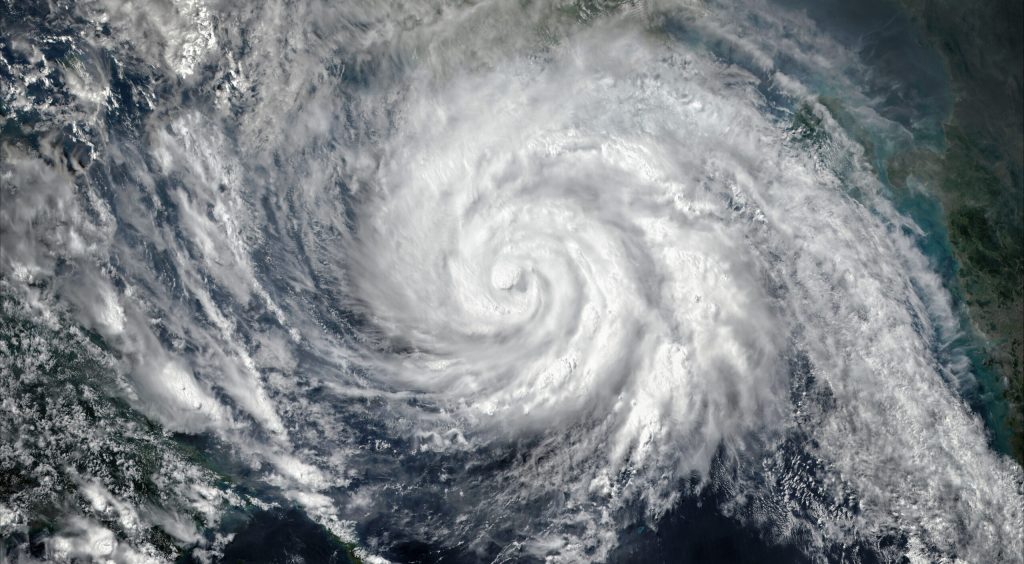
Weather experts assign categories to hurricanes to help emergency preparedness officials, businesses, and families make informed decisions before landfall. This system has been a critical part of hurricane risk management for more than five decades. The system remains critical as storms become more frequent and severe.
Hurricane Wind Categories: An Overview
Hurricane levels are based on their intensity and potential for causing damage, as measured by wind speed. Civil engineer Herbert Saffir and meteorologist Robert Simpson devised the Saffir-Simpson Hurricane Wind Scale (SSHWS), a five-tier system for categorizing hurricanes in 1971.
By 1973, the scale was the standard for rating storm risk.
Related: How to Prepare for a Natural Disaster
What Are the Hurricane Categories?
There are five hurricane categories, all of which pose risks to life and property. As we move through hurricane categories 1-5, note how the potential property damage increases.
Category 1 Hurricane: Wind speed, 74-95 mph
A Category 1 hurricane is the lowest-categorized storm, but it’s not without its risks. With winds reaching 95 miles per hour, Category 1 hurricanes can cause substantial damage to roofing, shingles, gutters, vinyl siding, and exterior lighting fixtures. It may also cause downed limbs and power outages.
Category 2 Hurricane: Wind speed, 96-110 mph
Dangerous wind conditions increase the likelihood of exterior damage, particularly on older or poorly maintained roofs. The chances of downed trees or limbs increase substantially, and power outages are very likely.
Category 3 Hurricane: Wind speed, 111-129 mph
With wind speeds well over 100 mph, Category 3 hurricanes can damage even well-built or new structures, with siding and roofing proving especially vulnerable. All hurricanes rated a three or higher are considered major hurricanes and amplify the likelihood of storm surges, rain-induced flooding, and tornado activity once the storm moves inland.
Category 4 Hurricane: Wind speed, 130-156 mph
Most homes will suffer considerable exterior damage, including the loss of roofing materials, broken windows, and damage from falling limbs and nearby trees. These types of winds make widespread power outages almost unavoidable, with estimated repair times taking weeks or months.
Category 5 Hurricane: Wind speed, 157+ mph
A Category 5 hurricane can devastate large swaths of coastline and miles inland within hours of landfall. Expect catastrophic damage to homes, businesses, levees, dams, and other vital municipal infrastructure. Most homes will sustain damage, and many will experience complete structural failure. Category 5 hurricanes have historically left huge cities and several counties uninhabitable for months.
How Are Hurricane Wind Levels Measured?
As hurricanes form, meteorologists use satellites, radar, and computer modeling to estimate their wind speed. Once the storm materializes and its tell-tale cyclonic funnel forms, specialized manned aircraft fly near or above the hurricane to release dropsondes into the storm to measure wind speed and atmospheric pressure.
Researchers use the dropsondes and other equipment to take measurements every 3-6 hours as a storm shifts over the ocean. Wind speed and pressure data are used to categorize the storm and help forecast when and where the storm will make landfall.
The Most Intense Hurricanes in US History
Using contemporary records, meteorologists estimate that an unnamed hurricane that hit the Florida Keys in 1935 was likely the strongest hurricane in US history. The Category 5 storm resulted in relatively little damage or loss of life due to the region’s underdeveloped infrastructure at the time. Later, Florida residents wouldn’t be so lucky.
The deadliest hurricane in US history hit Galveston, Texas, in 1900. More than 8,000 died, with over 2,000 of the small community’s homes destroyed. The tragedy led to important improvements in how the US prepares for natural disasters.
Preparation Makes All the Difference
Just as property owners rely on weather officials and emergency preparedness agencies before and during storms, once the danger has passed, they rely on post-disaster experts.
Prism Specialties is proud to serve hundreds of communities throughout the United States and bring specialty restoration services to families and businesses affected by hurricane-caused flooding. Learn how we play a role in getting hurricane-damaged communities back to normal. Submit a claim or call (888) 826-9429 today to learn more.