No Chemical Residue
Nothing left behind near product zones. No rinse cycle. No wastewater to permit.
For plant managers, sanitation supervisors, and QA leads across Ohio, Northern Kentucky, and West Virginia.
Evisceration lines, chill areas, walls, and ceilings cleaned dry — no wash-down, no chemical residue, no wastewater. Scope planned with your QA team around production windows.
Nothing left behind near product zones. No rinse cycle. No wastewater to permit.
A method fit for USDA- and FDA-regulated environments. Scope planned with your QA and EHS team.
Columbus office at 171 Schofield Drive. Crews across Cincinnati, Dayton, and Northern Kentucky.
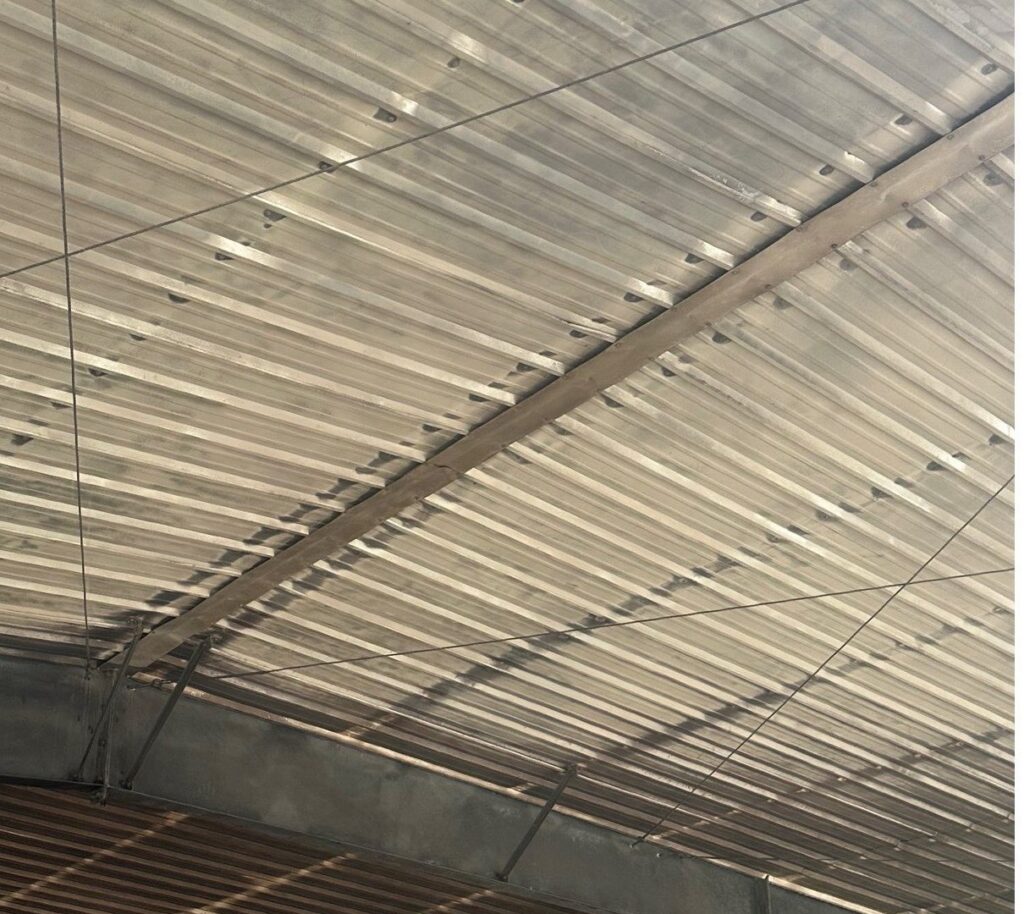
Walls and ceilings cleaned across a full chicken processing facility. Photographed before and after.
Protein plants carry the hardest buildup in food production — and the least tolerance for added moisture. Dry cleaning covers the areas wash-down cannot touch, planned between flocks and production runs.
Running a packaged-food, bakery, or beverage line instead? That work lives under the food plant cleaning service page — or call (614) 866-4484 and describe your plant.
Deep-cycle cleaning for protein processing sites across Ohio. Poultry, pork, and beef plants, hatcheries, and rendering operations. One contact for every facility in the group. Ready to scope a plant? Request a site assessment or call the commercial line in Columbus: (614) 866-4484.
The production envelope cleaned dry. Protein haze, dust, and smoke film off panels, deck, and structural steel.
Shackle lines, rails, belts, and drives cleaned in place. The line restarts without a rinse step.
Chillers, scalders, pickers, and packaging equipment exteriors. Cleaned where they sit, running next shift.
Fire residue, smoke, soot, and mold after an event at the plant. Restoration roots apply directly to recovery.
The sprint before the audit, done right. High surfaces and harborage points addressed, photographed, and documented.
Recurring deep cleans layered under your sanitation program. Planned around flocks, documented for the QA file.
Interior vessel cleaning and food-contact sanitizing stay with your sanitation program — this is the layer above it.
A Prism Specialties project inside a working chicken processing facility. Walls and ceilings cleaned across the full production envelope. Photographed before and after.
Facing the same buildup over your lines? Request a site assessment or call (614) 866-4484.

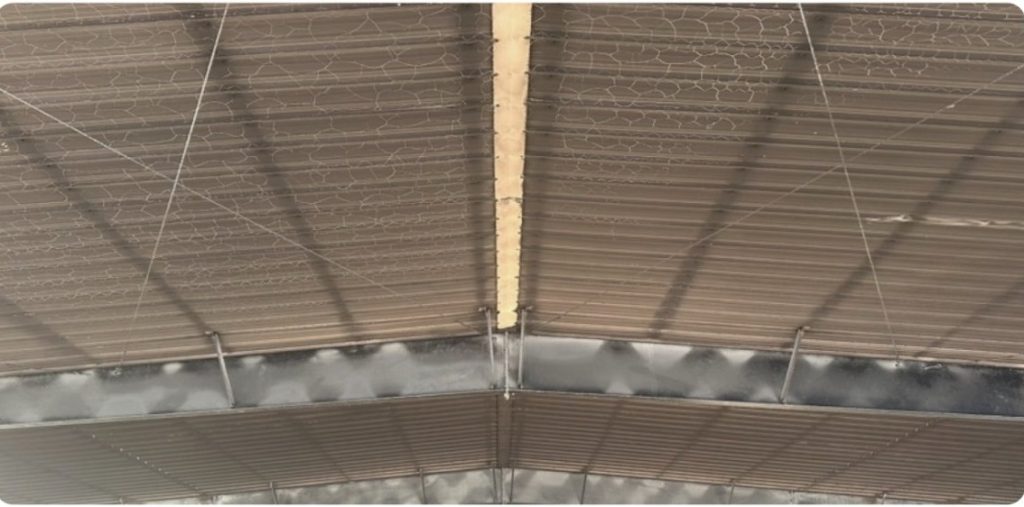
Wash-down adds moisture, and moisture is the enemy upstairs. Dry cleaning adds none — ceilings and overheads come clean without a drip.
Between flocks, between shifts, or during planned downtime. Zone staging keeps the rest of the plant running.
Photos before and after. Scope in writing. Records formatted for audit review, filed before the crew leaves.
Dry ice blasting leads anywhere moisture is a risk. Steam covers heavy grease away from product zones. The crew picks the method by surface, contaminant, and production schedule. Read how dry ice blasting works before the walkthrough.
No water. No chemicals. No residue. Food-grade CO2 pellets turn to gas on contact and lift soil away. The method fits USDA- and FDA-regulated environments.
Heat for grease in non-product areas — docks, floors, and equipment exteriors where minimal moisture is acceptable.
Exteriors, live-haul areas, and docks only. Heated power washing kept well away from production zones.
Yes — protein plants are where the method proves itself. Pellets are food-grade CO2 and turn to gas on contact. Nothing wet, chemical, or abrasive stays behind. Scope is planned with your QA or EHS team before work starts.
Tell us the plant type, the areas carrying buildup, and the window you can give the crew — between flocks, weekend, or planned shutdown. Assessments in Columbus, Cincinnati, or Dayton are scheduled within 48 hours. Fixed-scope quote follows. Call (614) 866-4484 for the commercial estimator.